
2026-09-21 · Moni Happy Editorial
Baby Car Seat Safety: A Complete Guide for Parents

Before I had a baby, I thought car seats were simple — buy one, install it, done. Then I went to a car seat safety check and realized I had been installing it wrong for months. The straps were too loose, the angle was off, and I didn't even know about the chest clip position. Car seat safety is one of the most important things you can do for your baby, yet so many parents get it wrong. Here's what I learned about baby car seat safety from our pediatrician, a certified child passenger safety technician, and hard-won experience.
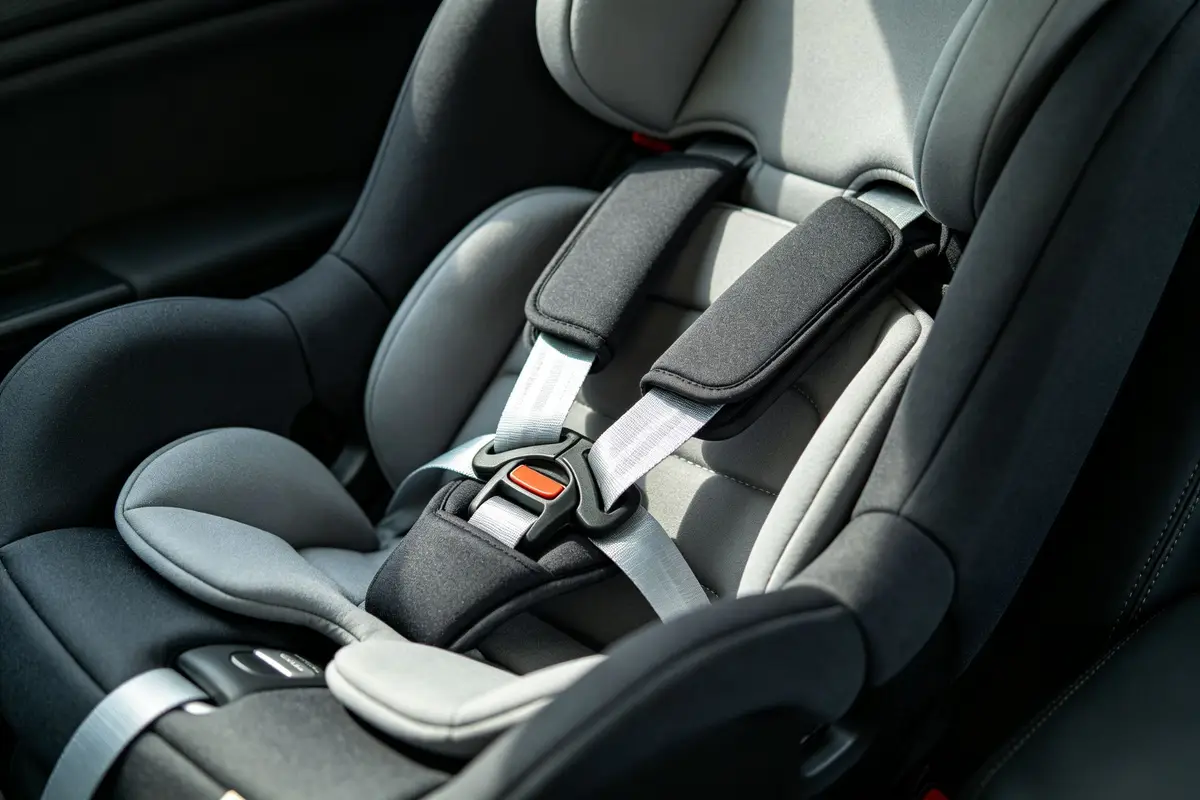
What Are the Car Seat Stages and When Do I Switch?
Car seats have stages based on age, weight, and height. Here's the breakdown: Rear-facing infant seat (Stage 1): Used from birth until baby reaches the seat's weight or height limit (typically 30-35 lbs or when head is within 1 inch of the top). Rear-facing is the safest position and should be used as long as possible. Convertible car seat (Stage 2): Can be used rear-facing then switched to forward-facing. Most convertible seats allow rear-facing up to 40-50 lbs, which means many children can stay rear-facing until age 2-4. The American Academy of Pediatrics recommends rear-facing until at least age 2, and longer if possible. Forward-facing car seat (Stage 3): Used after outgrowing rear-facing limits, with a five-point harness. Used until child reaches the seat's forward-facing weight/height limit (typically 40-65 lbs). Booster seat (Stage 4): Used after outgrowing forward-facing seat, typically around age 4-8 and 40-80 lbs. Boosters position the seat belt correctly on the child. High-back boosters offer more side impact protection. Seat belt (Stage 5): Children can use a seat belt without a booster when they're at least 4'9" tall, typically between ages 8-12. The seat belt must fit properly: lap belt low across upper thighs, shoulder belt across center of chest and shoulder. Key rule: don't switch stages too early. Each stage offers more protection than the next, so keep your child in each stage until they outgrow the weight or height limits — not just the age recommendation.
What Are the Most Common Car Seat Mistakes?
Studies show that up to 95% of car seats are installed or used incorrectly. Here are the most common mistakes: Straps too loose. This is the #1 mistake. Straps should be snug enough that you cannot pinch any fabric at the shoulder. If you can pinch the strap, it's too loose. Chest clip too low. The chest clip should be at armpit level, not at the belly button. A low chest clip can cause internal injuries in a crash or allow the child to slip out. Wrong recline angle. Rear-facing seats need to be at the correct angle (usually 30-45 degrees) to keep the baby's airway open. Most seats have a level indicator or built-in angle adjuster. Installing with both LATCH and seat belt. Use one or the other, not both (unless the manufacturer specifically allows it). Using both can over-tighten and compromise safety. Loose installation. The car seat should not move more than 1 inch side to side or front to back at the belt path. Put your knee in the seat and push down hard while tightening. Using expired or crashed car seats. Car seats expire (usually 6-10 years from manufacture date) because plastic degrades over time. After any crash (even a minor one), the car seat should be replaced unless the manufacturer says otherwise. Bulky winter coats. Never put a baby in a car seat wearing a bulky winter coat or snowsuit. The coat compresses in a crash, leaving the straps too loose. Instead, dress in thin layers and put a blanket over the baby after strapping in. Wrong seat for the child's size. Using a seat that the child has outgrown (or hasn't grown into yet) compromises safety. Always check weight and height limits. Aftermarket accessories. Don't use accessories (head supports, strap covers, mirrors) that didn't come with the car seat unless they're specifically approved by the manufacturer. They can interfere with safety in a crash. For on-the-go essentials, Moni Happy's wipes and diapers are travel must-haves. Explore Moni Happy's collection.
How Do I Know If My Car Seat Is Installed Correctly?
The best way is to get it checked by a certified Child Passenger Safety Technician (CPST). Many fire stations, police departments, and hospitals offer free car seat checks. You can also find a CPST near you through the National Highway Traffic Safety Administration (NHTSA) website or Safe Kids Worldwide. At home, do these checks: the seat moves less than 1 inch at the belt path, straps are snug (no pinch at shoulder), chest clip is at armpit level, the recline angle is correct (for rear-facing), and the harness is at the correct height (at or below shoulders for rear-facing, at or above for forward-facing). Getting a professional check is worth the time — it could save your child's life.
Frequently Asked Questions
When should I switch my baby from rear-facing to forward-facing?
Keep your child rear-facing as long as possible — until they reach the rear-facing weight or height limit of their convertible seat, which is typically 40-50 lbs or around age 2-4. The AAP recommends rear-facing until at least age 2. Rear-facing is significantly safer because it distributes crash forces across the child's back and head, protecting the neck and spine. Don't switch based on age alone — wait until they outgrow the limits.
How tight should car seat straps be?
Straps should be snug enough that you cannot pinch any fabric at the shoulder. If you can pinch the strap between your fingers, it's too loose. This is the most common car seat mistake. Also, the chest clip should be at armpit level (not belly button level), and the harness should be at or below shoulder height for rear-facing, at or above for forward-facing.
Can my baby wear a winter coat in the car seat?
No, never put a baby in a car seat wearing a bulky winter coat or snowsuit. The coat compresses in a crash, leaving the straps dangerously loose. Instead, dress your baby in thin layers, strap them in securely, and then put a blanket over them (tucked around their shoulders, not behind their back) for warmth. Alternatively, use a car seat-safe poncho or a coat designed to be worn backwards over the harness.
How do I know if my car seat is installed correctly?
The best way is to get it checked by a certified Child Passenger Safety Technician (CPST) — many fire stations, hospitals, and police departments offer free checks. At home, verify: the seat moves less than 1 inch at the belt path, straps are snug with no pinch at the shoulder, chest clip at armpit level, correct recline angle for rear-facing, and harness at correct height. Up to 95% of car seats are installed incorrectly, so a professional check is highly recommended.