
2026-09-08 · Moni Happy Mom
Baby Constipation: Causes, Home Remedies & When to Worry — A Mom's Guide

I'll never forget the panic I felt when my breastfed baby went five days without a dirty diaper. I called the pediatrician's office in a frenzy, convinced something was terribly wrong. The nurse calmly asked me a few questions — is she gaining weight? Is she fussy? Is her abdomen hard? — and then told me something that blew my mind: for exclusively breastfed babies, going several days without a bowel movement can be completely normal. That was my introduction to the confusing world of baby constipation. After three kids and countless conversations with our pediatrician, here's what I've learned about what's normal, what's not, and what actually helps when your baby is truly constipated.
What Is Baby Constipation — and What Isn't?
Here's the thing that trips up most new parents: constipation in babies is not defined by how often they poop — it's defined by the consistency and difficulty of the stool. A baby who poops every three days but passes soft, easy-to-pass stool is not constipated. A baby who poops every day but strains, cries, and passes hard, pellet-like stool IS constipated. This is such an important distinction that I repeat it to every new mom I know.
What's "normal" in terms of frequency varies dramatically by age and feeding method:
- Newborns (first month): Breastfed babies often poop after every feeding — as many as 8-12 times a day. Formula-fed babies typically poop 3-4 times a day. After the first few weeks, breastfed babies may start pooping less frequently, sometimes as infrequently as once every 7-10 days, because breast milk is so efficiently digested that there's very little waste left over. As long as the stool is soft and the baby seems comfortable, this is normal and not constipation.
- Babies 2-6 months: Stool frequency continues to vary. Breastfed babies may go days between bowel movements, while formula-fed babies tend to poop more regularly (1-2 times a day). Again, consistency matters more than frequency.
- Babies starting solids (around 6 months): This is when constipation becomes more common, as the digestive system adjusts to new foods. A decrease in stool frequency or harder stools when starting solids is common but should be monitored.
True constipation is characterized by: hard, dry, pellet-like or pebble-like stool; straining, grunting, or crying during bowel movements; a distended or firm abdomen; decreased appetite; and possibly blood on the surface of the stool (from a small tear in the anus, called a fissure, caused by passing hard stool). If your baby has these symptoms, they may be constipated and you should take action.
What Causes Baby Constipation?
Constipation can have several causes depending on your baby's age and feeding method:
- Formula: Formula-fed babies are more prone to constipation than breastfed babies, because formula is more difficult to digest and can produce firmer stools. Sometimes switching to a different formula brand or type can help, but always talk to your pediatrician before making a change.
- Starting solids: The introduction of solid foods is a common trigger for constipation, especially if the diet is low in fiber or if the baby isn't drinking enough water. Rice cereal, in particular, is low in fiber and can be constipating — we switched to oatmeal cereal with our second baby and noticed a difference.
- Dehydration: Not getting enough fluids can cause the body to absorb more water from the stool, making it hard and dry. This is more common in hot weather, during illness, or when starting solids.
- Low-fiber diet: A diet heavy in constipating foods (rice, bananas, applesauce, toast) and low in fiber-rich foods (prunes, pears, peaches, peas, beans, whole grains) can contribute to constipation.
- Medical conditions: In rare cases, constipation can be a sign of an underlying medical condition, such as Hirschsprung's disease (a condition where nerve cells are missing in the intestine), hypothyroidism, or food allergies. If constipation is severe, persistent, or accompanied by other symptoms, your pediatrician will evaluate for these conditions.
What Can I Do to Help My Constipated Baby?
The approach depends on your baby's age and whether they're eating solids. Here's what has worked for me and what our pediatrician recommended:
For Babies Under 6 Months (Not Yet Eating Solids)
- Tummy massage: Gently massage your baby's abdomen in a clockwise circular motion, starting below the navel and working outward. You can also try "bicycle legs" — gently moving your baby's legs in a cycling motion, which can help stimulate bowel movements. I found that doing this after a warm bath was most effective.
- Warm bath: A warm bath can help relax the abdominal muscles and stimulate bowel movements. We sometimes added a little lavender to the bath (diluted, of course) for extra relaxation.
- Check feeding technique: For formula-fed babies, make sure you're mixing the formula correctly — too much powder can make the formula too concentrated and contribute to constipation. For breastfed babies, make sure the baby is getting enough hindmilk (the richer, higher-fat milk that comes later in a feeding) by allowing them to fully drain one breast before switching.
- Do NOT give water, juice, or honey: Babies under 6 months should not drink water or juice, and honey is never safe for babies under 1 year (risk of botulism). If you're concerned about dehydration, offer more breast milk or formula instead.
For Babies 6 Months and Older (Eating Solids)
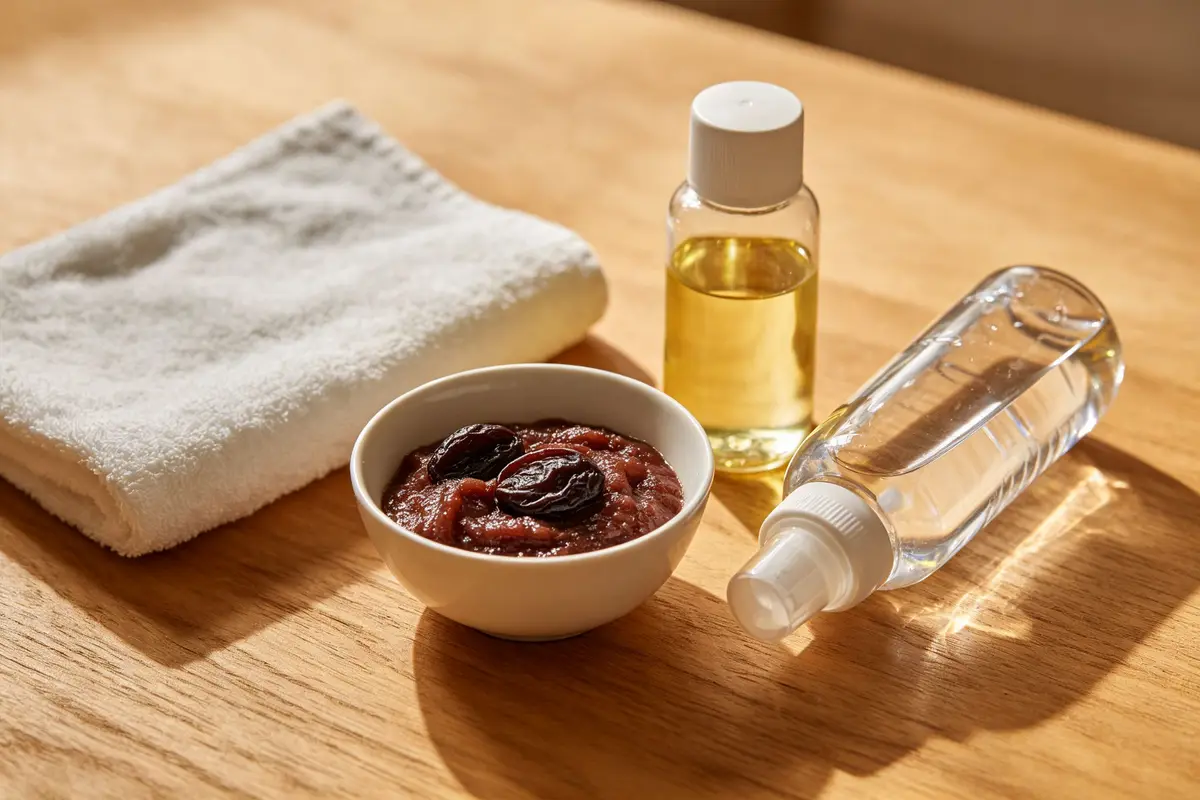
- Offer "P" fruits: Prunes, pears, peaches, plums, and papaya are natural laxatives and are often effective at relieving mild constipation. We started with pureed prunes mixed with a little breast milk or formula — my kids actually liked them! Start with 1-2 tablespoons and increase gradually.
- Offer water: Once your baby is eating solids, you can offer small amounts of water (2-4 ounces a day) in a sippy cup. Water helps soften stool and prevent dehydration. We kept a soft sippy cup handy at mealtimes.
- Increase fiber: Offer fiber-rich foods like peas, beans, lentils, broccoli, whole grain cereals, and chia seeds (ground and mixed into food). Avoid or limit constipating foods like rice cereal, bananas, applesauce, and white toast until the constipation resolves.
- Continue tummy massage and bicycle legs: These are still effective for older babies.
- Glycerin suppositories (as directed): For more stubborn constipation, your pediatrician may recommend an infant glycerin suppository, which works by lubricating the rectum and stimulating a bowel movement. These are generally safe for occasional use but should not be used regularly without medical supervision. We used one once with our first baby when she went 8 days without pooping and was clearly uncomfortable — it worked within 15 minutes, and the flood gates opened (literally).
When Should I Call the Pediatrician?
While occasional constipation is common and usually manageable at home, you should contact your pediatrician if:
- Your baby is under 1 month old and has not had a bowel movement in 24-48 hours (this could be a sign of Hirschsprung's disease or another medical condition)
- Constipation lasts more than 5-7 days despite home remedies
- Your baby is in obvious pain or distress
- There is blood in the stool or on the diaper (this could be from a fissure, but should be evaluated)
- Your baby has a swollen, hard abdomen, vomiting, or fever
- Your baby is not gaining weight or has lost weight
- Constipation is severe, recurrent, or accompanied by other concerning symptoms
Our pediatrician always told us that when in doubt, call — it's better to be safe than sorry, and they'd rather have us call for something minor than wait for something serious to worsen. With our third baby, we called when she had hard stools for two weeks despite dietary changes, and our pediatrician recommended a brief course of probiotics, which seemed to help. Every baby is different, and what works for one may not work for another — trust your instincts and work with your pediatrician to find the right approach for your baby.
Frequently Asked Questions
How often should a baby poop?
There's wide variation in what's normal. Newborn breastfed babies may poop after every feeding (8-12 times a day), while older breastfed babies may go 7-10 days between bowel movements because breast milk is so efficiently digested. Formula-fed babies typically poop 1-4 times a day. The key is consistency and stool quality — soft, easy-to-pass stool is normal regardless of frequency. Hard, dry, pellet-like stool accompanied by straining or crying is constipation, regardless of how often it happens.
Can I give my baby prune juice for constipation?
Babies under 6 months should not drink juice, including prune juice — they should get all their nutrition from breast milk or formula. For babies 6 months and older, small amounts of 100% prune juice (1-2 ounces, diluted with water) can help with constipation, but pureed prunes or other "P" fruits (pears, peaches, plums) are generally preferred because they contain fiber as well as the natural laxative sorbitol. Always check with your pediatrician before giving juice, and limit juice to no more than 4 ounces a day for babies 6-12 months.
Does switching formula help with constipation?
Sometimes switching to a different formula can help, but you should always talk to your pediatrician before making a change. Some babies do better with a different brand or type of formula (for example, switching from a cow's milk-based formula to a partially hydrolyzed or soy formula), but formula changes don't always help and can sometimes cause other digestive issues. Your pediatrician can help you determine whether a formula switch is appropriate and recommend a specific formula based on your baby's needs. Never switch formulas repeatedly without medical guidance.
Are glycerin suppositories safe for babies?
Infant glycerin suppositories are generally safe for occasional use when recommended by your pediatrician. They work by lubricating the rectum and stimulating a bowel movement, and they typically work within 15-30 minutes. However, they should not be used regularly or without medical supervision, as frequent use can cause the baby to become dependent on them to have bowel movements. If your baby needs suppositories more than occasionally, talk to your pediatrician — there may be an underlying issue that needs to be addressed, and there may be other, more sustainable solutions.
Article Summary
Baby constipation is defined by hard, dry, difficult-to-pass stool — not by infrequent bowel movements alone, since breastfed babies may go days between poops normally. Common causes include formula, starting solids, dehydration, low-fiber diets, and (rarely) medical conditions. For babies under 6 months, gentle tummy massage, warm baths, and checking feeding technique can help, while water, juice, and honey should be avoided. For babies 6 months and older, "P" fruits (prunes, pears, peaches), water, increased fiber, and occasional glycerin suppositories (as directed) can provide relief. Contact your pediatrician if constipation is severe, persistent, accompanied by pain, blood, vomiting, fever, or poor weight gain, or if your baby is under 1 month old. With patience, dietary adjustments, and guidance from your pediatrician, most cases of baby constipation can be managed effectively.