
2026-09-22 · Moni Happy Editorial
Baby Food Allergies: What I Wish I Knew Before First Solids

The day my baby's face swelled up after trying scrambled eggs is one I'll never forget. One minute she was happily eating, the next her lips were puffy and hives were spreading. The ER visit taught me more about food allergies than any parenting book. Here's what I wish someone had told me earlier.
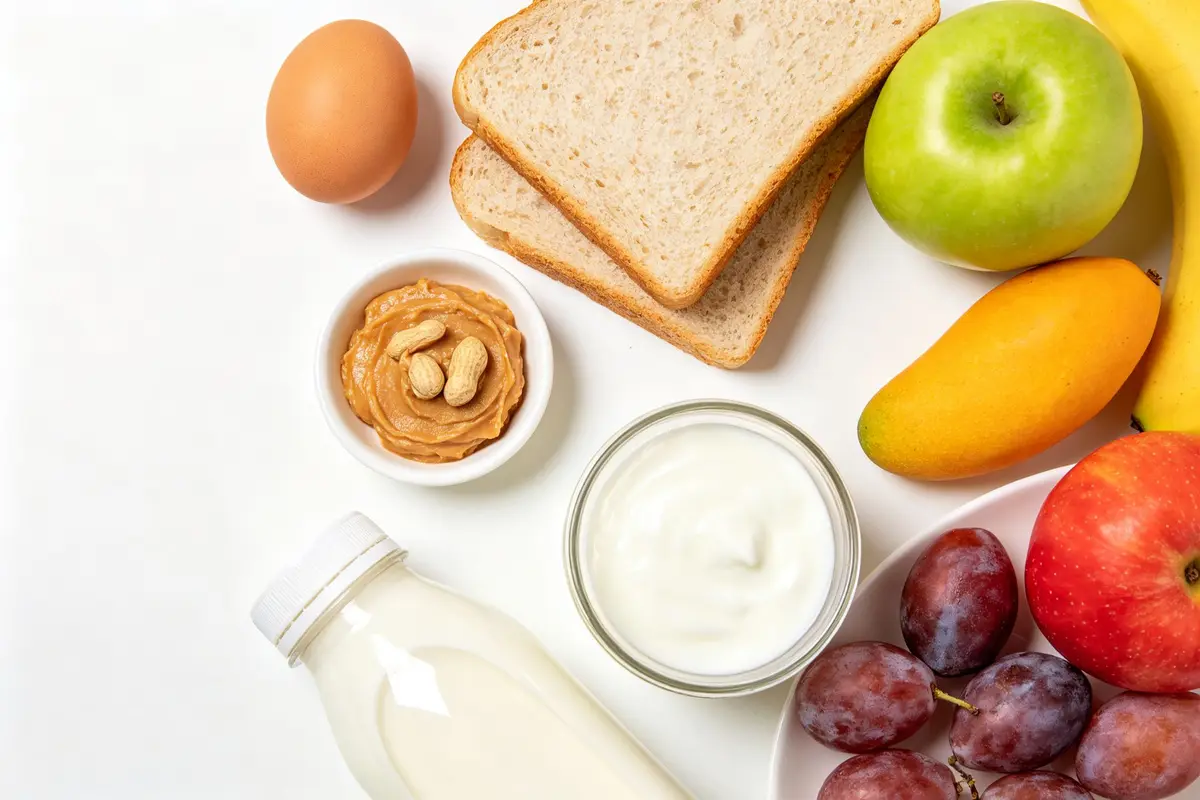
What are the most common baby food allergens?
The eight major allergens are eggs, peanuts, cow's milk, wheat, soy, tree nuts, fish, and shellfish. Recent guidelines actually recommend introducing allergenic foods early (around 6 months) rather than delaying. Delaying introduction may increase allergy risk. Start with smooth peanut butter mixed into puree, well-cooked egg, and wheat cereal.
How do I introduce allergens safely?
Introduce one new allergen at a time, wait 3-4 days before the next new food. Pick a time when baby is healthy (not sick, not recently vaccinated). Start with a tiny amount mixed into a familiar food. Watch for reactions within the first 2 hours, though delayed reactions can occur up to 24-48 hours. Always have antihistamine on hand if your pediatrician recommends it.
What does an allergic reaction look like?
Mild reactions: hives around mouth, eczema flare, slight lip swelling, vomiting. Severe reactions (anaphylaxis): trouble breathing, wheezing, repeated vomiting, sudden lethargy, swelling of tongue or throat, pale or blue skin. Call emergency immediately for severe symptoms. Use an epinephrine auto-injector if prescribed.
What if my baby has eczema?
Severe eczema is linked to higher food allergy risk. If your baby has moderate to severe eczema, talk to your pediatrician or allergist before introducing peanut or egg. Some babies need skin testing first. This is especially important for peanut allergy, which can be severe. Keep skin moisturized with soft towels and gentle care.
FAQ
When should I start introducing allergenic foods?
Current guidelines say around 6 months (not before 4 months), once baby is ready for solids. Don't delay peanut or egg introduction — early introduction may actually prevent allergy. Work with your pediatrician if baby has eczema.
Do I need to wait 3 days between new foods?
Yes, a 3-4 day wait between new allergenic foods helps you identify the trigger. For common low-allergen first foods like rice cereal or sweet potato, you can move faster.
Can a baby outgrow a food allergy?
Many children outgrow milk, egg, soy, and wheat allergies by school age. Peanut and tree nut allergies are more likely to persist. Regular allergist visits can test for resolution.
Should I avoid allergens while breastfeeding?
For low-risk babies, no need to restrict your diet. If baby has severe eczema or an existing allergy, your pediatrician may advise limited elimination. Don't restrict without medical guidance.
Summary
Introduce allergens early and one at a time, watch for reactions, and know the difference between mild hives and severe anaphylaxis. When in doubt, call your doctor. Food allergy anxiety is real, but most babies handle new foods just fine.
Frequently Asked Questions
When should I start introducing allergenic foods?
Around 6 months, once baby is ready for solids. Don't delay peanut or egg — early introduction may actually prevent allergy. Work with your pediatrician if baby has eczema.
Do I need to wait 3 days between new foods?
Yes, 3-4 days between new allergenic foods helps identify the trigger. For low-allergen first foods like rice cereal or sweet potato, you can move faster.
Can a baby outgrow a food allergy?
Many children outgrow milk, egg, soy, and wheat allergies by school age. Peanut and tree nut allergies are more likely to persist. Regular allergist visits test for resolution.
Should I avoid allergens while breastfeeding?
For low-risk babies, no. If baby has severe eczema or an existing allergy, your pediatrician may advise limited elimination. Don't restrict without medical guidance.