
2026-09-10 · Sarah Mitchell
Baby Insect Bite Prevention & Care: A Mom's Guide for Tropical Climates
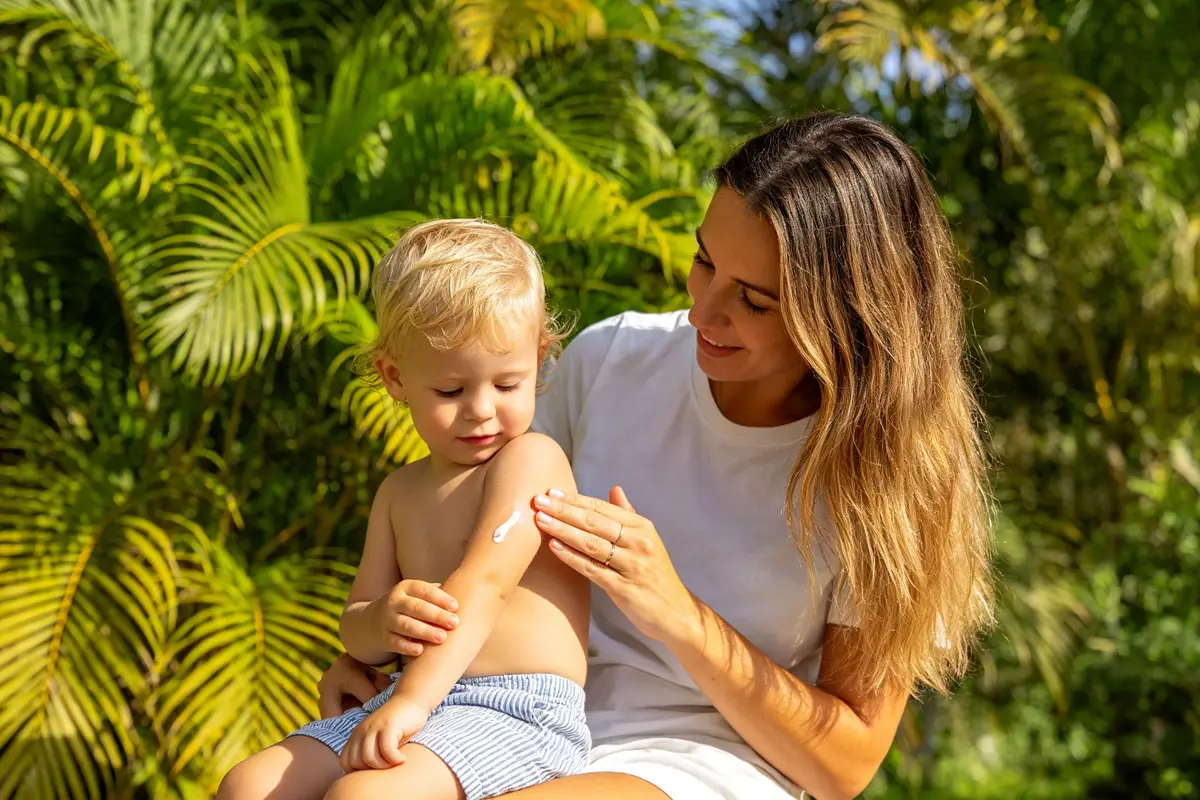
Living in a tropical climate means mosquitoes and other insects are a fact of life, but nothing prepared me for the panic I felt when I found my first mosquito bite on my 3-month-old's tiny ankle. It was red, swollen, and she kept trying to scratch it. I called my pediatrician's office in a panic, and they calmly walked me through what's normal, what to watch for, and how to prevent it from happening again. If you've ever felt that same panic, here's what I learned about baby insect bite prevention and care.
Why are babies so attractive to mosquitoes?
Mosquitoes are attracted to carbon dioxide, body heat, and certain chemicals in sweat — and babies produce all of these in ways that make them prime targets. Babies breathe faster than adults, exhaling more carbon dioxide which mosquitoes can detect from up to 50 feet away. They also have a higher metabolic rate, generating more body heat. And because babies have thinner, more delicate skin, mosquito bites tend to cause bigger, more noticeable reactions in infants than in adults. My daughter would get a welt the size of a quarter from a single bite, while I'd barely notice one on myself.
It's not just mosquitoes either — in tropical climates, ants, flies, fleas, and occasionally spiders can also bite babies. Ant bites are common when babies crawl on floors or play outdoors, and they can cause small red bumps that are quite itchy. The good news is that most insect bites on babies are harmless and can be managed at home with simple care.
How can I prevent insect bites on my baby?
Prevention is always better than treatment, and I found several strategies that worked well. First, physical barriers are the safest option for babies. A mosquito net over the crib, stroller, or play area is highly effective — I used one every night and whenever we went for walks. Dress your baby in lightweight, long-sleeved shirts and long pants in light colors (dark colors attract mosquitoes), and make sure socks cover their ankles. I even found little baby mittens that helped prevent scratching when she did get bitten.
Second, avoid peak mosquito times. Mosquitoes are most active at dawn and dusk, so I tried to keep my daughter indoors or well-protected during these hours. If we did go out, I used a mosquito net over the stroller and dressed her in protective clothing. Third, eliminate standing water around your home — flower pots, buckets, tire swings, and even small puddles can be mosquito breeding grounds. Empty and clean these regularly. For babies over 2 months, you can use a small amount of baby-safe insect repellent containing DEET (under 30%) or picaridin, applied to clothing and exposed skin (avoiding hands, eyes, and mouth). Always check with your pediatrician first.
What should I do when my baby gets bitten?
When my daughter got her first bite, I immediately washed the area with mild soap and water — this helps remove any insect saliva on the skin and reduces the risk of infection. Then I applied a cool, damp washcloth to the bite for 5-10 minutes to reduce swelling and itching. I made sure to keep her nails short and clean to prevent scratching, which can break the skin and lead to infection. For babies who scratch a lot, I used soft baby mittens or socks on their hands during naps and bedtime.
For itching, I found that a baking soda paste (1 part baking soda to 3 parts water) applied for 10 minutes then rinsed off worked well and was completely natural. For babies over 6 months, calamine lotion can help soothe itching, but I always checked with my pediatrician first. I also kept gentle, fragrance-free baby wipes handy for cleaning bites and surrounding skin, and a soft cotton towel for cool compresses. Most bites improve within 2-3 days, though some can take up to a week to fully disappear.
How do I know if a bite is infected or serious?
This was my biggest worry, and I learned to watch for specific red flags. A normal bite will be a small red bump that's itchy but gradually improves over 2-3 days. Signs of infection include: redness and warmth that spreads beyond the bite, pus or fluid oozing from the bite, red streaks extending outward, increasing pain or tenderness, swelling that gets worse after 48 hours, or a fever. If you notice any of these, contact your pediatrician — infected bites may need antibiotic ointment or oral antibiotics.
In tropical regions, it's also important to be aware of mosquito-borne diseases. If your baby develops a fever, severe irritability, lethargy, vomiting, rash, or refusal to feed within 2 weeks of a mosquito bite, seek medical attention immediately. Diseases like dengue, chikungunya, and Zika can be serious in infants, and early treatment is important. I always kept my pediatrician's number saved and didn't hesitate to call if something felt off — better safe than sorry.
What about ant bites and other insect bites?
Ant bites are common once babies start crawling, especially if they play on floors or outdoors. Fire ant bites can cause small pustules (white-headed bumps) that are painful and itchy. If your baby gets ant bites, brush the ants off immediately (don't crush them — they can bite multiple times), wash the area with soap and water, and apply a cool compress. Avoid popping the pustules, as this can lead to infection. If your baby has a severe reaction with widespread swelling, difficulty breathing, or vomiting, seek emergency medical attention immediately — this could be an allergic reaction.
Spider bites are less common but can cause more significant reactions. Most spider bites cause a red, itchy bump similar to a mosquito bite, but some (like brown recluse or black widow spiders, depending on your region) can cause more serious symptoms. If you suspect a spider bite, clean the area, apply a cool compress, elevate the limb if possible, and monitor for symptoms like increasing pain, blistering, fever, or muscle cramps. When in doubt, contact your pediatrician.
FAQ
How can I tell if my baby's insect bite is infected?
Normal insect bites cause a small red, itchy bump that gradually improves over 2-3 days. Signs of infection include increasing redness and warmth spreading beyond the bite, pus or blistering, increasing pain, red streaks extending from the bite, swelling that gets worse after 48 hours, or fever. If you notice any of these signs, contact your pediatrician promptly, as infected bites may require antibiotic treatment.
Is calamine lotion safe for babies?
Calamine lotion is generally considered safe for babies over 6 months old when used as directed on intact skin. For babies under 6 months, consult your pediatrician before using any topical medication, including calamine. Avoid applying calamine to broken skin, open blisters, or near the eyes and mouth. A safer alternative for younger babies is a cool damp compress applied to the bite for 5-10 minutes, which can reduce itching and swelling without any medication.
What natural remedies help soothe baby insect bites?
Several gentle natural remedies can help soothe insect bites on babies. A cool damp washcloth applied for 5-10 minutes reduces itching and swelling. A paste made from baking soda and water (1 part baking soda to 3 parts water) can help neutralize the itch — apply for 10 minutes then rinse. Aloe vera gel from a pure source can soothe irritated skin. Oatmeal baths (using colloidal oatmeal) can help if your baby has multiple bites. Always do a small patch test first, and avoid applying anything near the eyes, mouth, or broken skin.
When should I worry about mosquito bites on my baby?
Most mosquito bites are harmless and just cause itching and a small red bump. However, in tropical regions where mosquito-borne diseases like dengue, Zika, chikungunya, or malaria are present, you should monitor your baby for symptoms after a bite. Warning signs include fever (especially high fever), severe headache, body aches, rash, vomiting, lethargy, irritability, or refusal to feed. If your baby develops any of these symptoms within 2 weeks of a mosquito bite, seek medical attention immediately. Prevention is key — use mosquito nets, protective clothing, and age-appropriate repellent.
Wrapping up
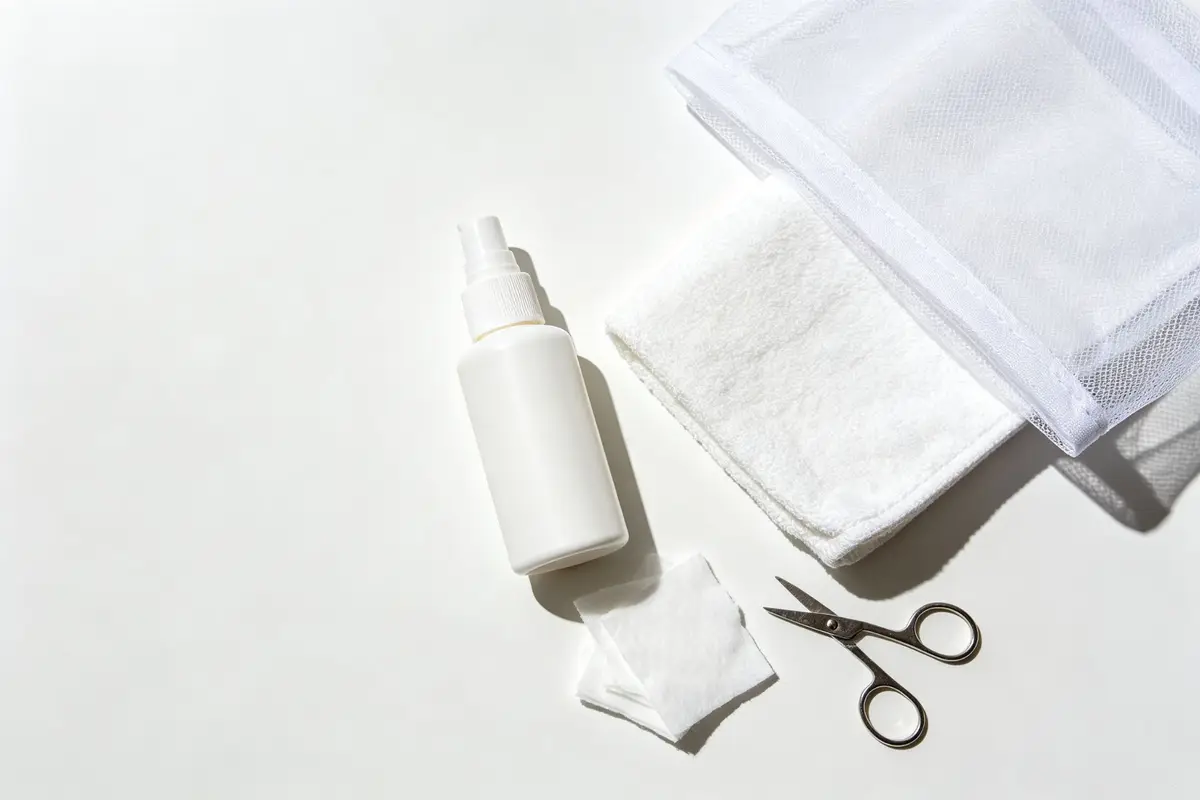
Insect bites are an inevitable part of raising a baby in a tropical climate, but they don't have to be a source of constant panic. The most important things I learned were: prevent bites with physical barriers like mosquito nets and protective clothing, avoid peak mosquito times, clean and cool bites promptly, watch for signs of infection or mosquito-borne illness, and don't hesitate to call your pediatrician if something feels wrong. I also kept a small "bite care kit" with baby wipes, a soft towel for cool compresses, baking soda, and baby mittens for scratch prevention. With a little preparation and knowledge, you can keep your baby comfortable and safe during insect season.
Frequently Asked Questions
How can I tell if my baby's insect bite is infected?
Normal insect bites cause a small red, itchy bump that gradually improves over 2-3 days. Signs of infection include increasing redness and warmth spreading beyond the bite, pus or blistering, increasing pain, red streaks extending from the bite, swelling that gets worse after 48 hours, or fever. If you notice any of these signs, contact your pediatrician promptly, as infected bites may require antibiotic treatment.
Is calamine lotion safe for babies?
Calamine lotion is generally considered safe for babies over 6 months old when used as directed on intact skin. For babies under 6 months, consult your pediatrician before using any topical medication, including calamine. Avoid applying calamine to broken skin, open blisters, or near the eyes and mouth. A safer alternative for younger babies is a cool damp compress applied to the bite for 5-10 minutes, which can reduce itching and swelling without any medication.
What natural remedies help soothe baby insect bites?
Several gentle natural remedies can help soothe insect bites on babies. A cool damp washcloth applied for 5-10 minutes reduces itching and swelling. A paste made from baking soda and water (1 part baking soda to 3 parts water) can help neutralize the itch — apply for 10 minutes then rinse. Aloe vera gel from a pure source can soothe irritated skin. Oatmeal baths (using colloidal oatmeal) can help if your baby has multiple bites. Always do a small patch test first, and avoid applying anything near the eyes, mouth, or broken skin.
When should I worry about mosquito bites on my baby?
Most mosquito bites are harmless and just cause itching and a small red bump. However, in tropical regions where mosquito-borne diseases like dengue, Zika, chikungunya, or malaria are present, you should monitor your baby for symptoms after a bite. Warning signs include fever (especially high fever), severe headache, body aches, rash, vomiting, lethargy, irritability, or refusal to feed. If your baby develops any of these symptoms within 2 weeks of a mosquito bite, seek medical attention immediately. Prevention is key — use mosquito nets, protective clothing, and age-appropriate repellent.