
2026-09-10 · Sarah Mitchell
Baby Overheating & Heat Stroke Prevention: A Mom's Guide for Hot Climates
Living in a tropical country, heat is something we deal with every day, but I never realized how much more vulnerable babies are to high temperatures until my daughter developed heat rash at 2 months old. I had dressed her in a cute long-sleeved outfit because the air conditioning was cold in the mall, but by the time we got to the car, she was flushed, fussy, and covered in tiny red bumps. That scare taught me how important it is to understand baby overheating and heat stroke prevention. Here's what I learned.
Why are babies more at risk for overheating?
Babies are significantly more vulnerable to heat than adults, and it comes down to basic physiology. First, babies have a larger body surface area relative to their weight, which means they absorb heat more quickly from the environment. Second, their sweat glands are not fully developed, so they can't cool themselves through sweating as efficiently as adults. Third, babies produce more body heat relative to their size because of their higher metabolic rate. And finally, babies can't tell us when they're too hot — they can only cry, which we might attribute to hunger, tiredness, or a dirty diaper before considering temperature.
This combination means that what feels like a warm day to us can quickly become dangerous for a baby. I learned this the hard way when I left my daughter in the car for what I thought would be a 2-minute errand. Even with the windows cracked, the temperature inside can rise 10-15 degrees in just 10 minutes. I ran back to the car sweating, and she was red and screaming. It was a terrifying wake-up call, and I never left her in the car alone again — not even for a minute.
What are the signs my baby is overheating?
Learning to recognize the early signs of overheating is crucial, because catching it early can prevent it from progressing to heat exhaustion or heat stroke. The first signs I learned to watch for were: flushed or red cheeks, clammy or sweaty skin (especially on the neck, back, or chest), rapid breathing, fussiness or irritability that doesn't improve with feeding or diaper change, and warm skin to the touch. My daughter would also get very sleepy and lethargic when she was too hot — at first I thought she was just tired, but I realized it was a sign she was overheating.
As overheating progresses to heat exhaustion, you may notice: heavy sweating (though babies may not sweat much), cold and clammy skin, weakness or lethargy, dizziness (in older babies who can show this), vomiting, and a fast but weak pulse. If you notice these signs, move your baby to a cool place immediately and begin cooling measures. If your baby has a temperature above 39C (102F), seems confused or unresponsive, is not sweating despite being hot, or has seizures, this could be heat stroke — call emergency services immediately.
How can I prevent my baby from overheating?
Prevention is the best strategy, and I found several simple measures that made a big difference. First, dress your baby appropriately for the weather. In hot weather, lightweight cotton clothing in light colors works best — it breathes and reflects heat. A good rule is to dress your baby in one more layer than you'd be comfortable in, but in very hot weather, a single layer (onesie or romper) is often enough. I always checked my daughter's neck or the back of her chest to gauge her temperature — if it felt hot or clammy, I removed a layer.
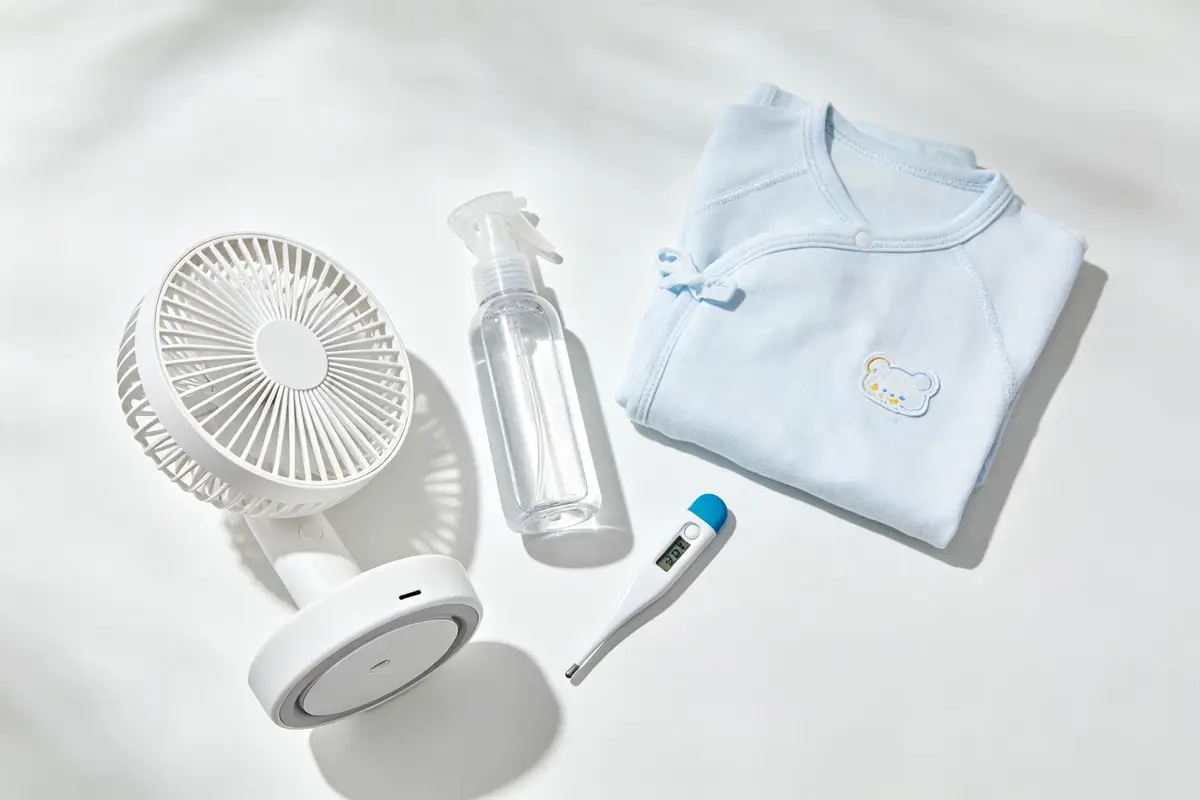
Second, keep the environment cool. Use air conditioning or fans to circulate air, but don't point a fan directly at the baby. Keep curtains or blinds closed during the hottest part of the day to block direct sunlight. Avoid going outside during the hottest hours (typically 10 AM to 4 PM). If you must go out, use a stroller with a sun canopy, dress your baby in protective clothing, and use a baby-safe sunscreen for babies over 6 months. Never leave your baby in a parked car — even with windows cracked, temperatures can reach dangerous levels in minutes. I also kept a small battery-powered fan in my diaper bag for outdoor outings, along with water-based baby wipes that I could use to gently cool her skin, and a soft cotton towel for damp compresses.
What should I do if my baby gets overheated?
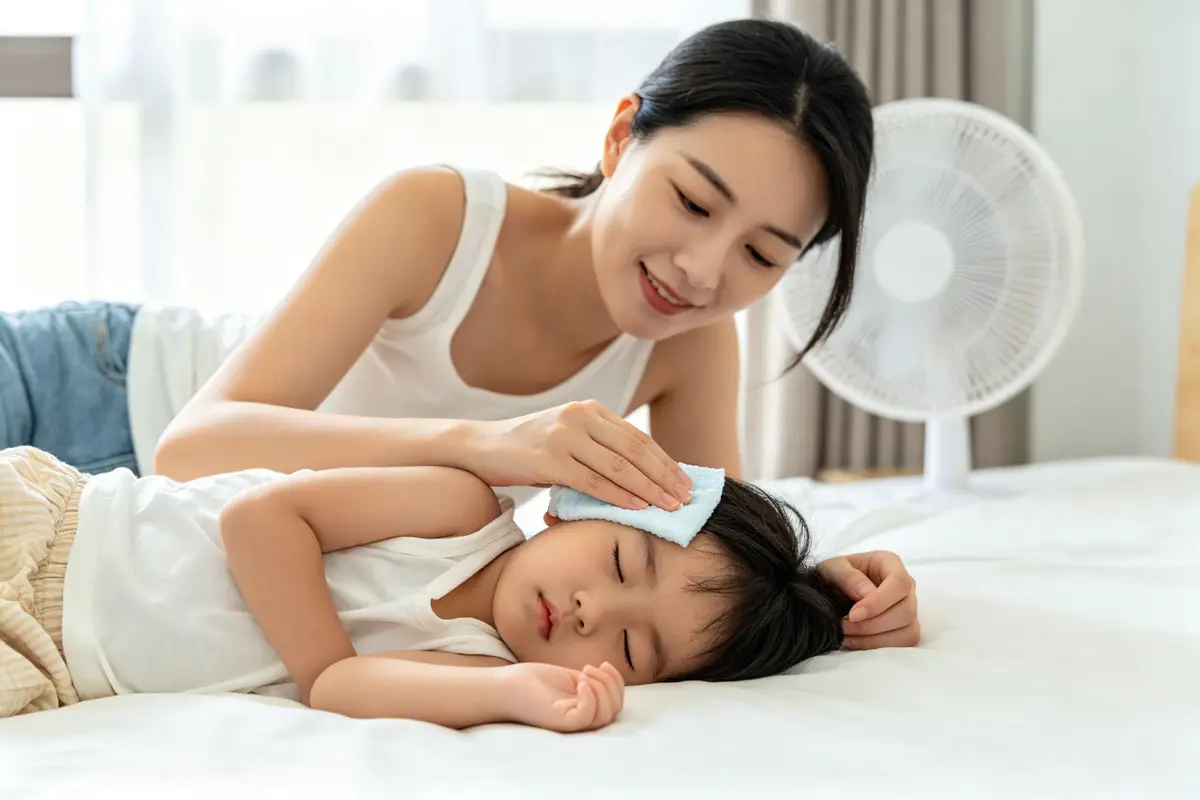
If you notice signs of overheating, act quickly but calmly. Move your baby to a cooler area immediately — indoors with air conditioning if possible, or at least into the shade. Remove excess clothing, leaving just a diaper or light onesie. Apply cool (not cold — extreme temperature change can be shocking) damp washcloths to your baby's neck, armpits, and groin — these are areas where blood vessels are close to the surface and cooling is most effective. You can also gently sponge your baby with lukewarm water. Offer breast milk or formula frequently — even if your baby doesn't seem thirsty, they may be dehydrated. For babies over 6 months, you can offer small amounts of water in addition to milk.
Use a fan to circulate air around your baby, but don't point it directly at them. Monitor your baby's temperature with a thermometer — a rectal temperature is most accurate for babies under 3 months. If the temperature is above 38.5C (101.3F) and doesn't come down with cooling measures, or if your baby seems lethargic, refuses to feed, has fewer wet diapers, or seems generally unwell, contact your pediatrician. Remember: fever-reducing medication like acetaminophen works for fever caused by illness, but it does NOT work for heat-related temperature elevation. Never give medication for overheating — physical cooling is the correct treatment.
How does overheating relate to SIDS risk?
This is something I didn't know until my pediatrician mentioned it: overheating is a known risk factor for Sudden Infant Death Syndrome (SIDS). Babies who are too hot during sleep have a higher risk of SIDS, possibly because overheating can affect their ability to arouse from sleep. This is why safe sleep guidelines emphasize keeping the room at a comfortable temperature (around 20-22C or 68-72F), dressing baby in lightweight sleep clothing, and avoiding heavy blankets, quilts, or sleep positioners. I used a lightweight cotton sleep sack instead of blankets, and I always checked my daughter's neck before placing her in the crib — if it felt warm, I removed a layer or turned down the air conditioning.
It's also important not to over-swaddle your baby in hot weather. If you swaddle, use a lightweight cotton swaddle blanket and make sure your baby's hips have room to move. Stop swaddling once your baby shows signs of rolling over (usually around 3-4 months), as rolled-over swaddled babies are at higher risk for overheating and SIDS. I transitioned my daughter to a sleep sack at 3 months when she started rolling, and it was much easier to regulate her temperature.
FAQ
What temperature is too hot for a baby?
Babies are more sensitive to heat than adults because their bodies have a larger surface area relative to their weight and they sweat less efficiently. As a general rule, if the temperature is above 32C (90F) with high humidity, it's too hot for prolonged outdoor activity with a baby. Indoors, keep the room temperature between 20-22C (68-72F) for sleep. Always check your baby's neck or chest to feel if they're too warm — clammy skin, flushed cheeks, or rapid breathing are signs they may be overheating.
How do I cool down an overheated baby?
If you suspect your baby is overheated, move them to a cooler area immediately and remove excess clothing. Apply cool (not cold) damp washcloths to their neck, armpits, and groin areas — these are where blood vessels are close to the skin and cooling is most effective. Offer breast milk or formula frequently to prevent dehydration. Use a fan to circulate air, but don't point it directly at the baby. If your baby's temperature is above 39C (102F), they seem lethargic, or they're not sweating despite being hot, seek emergency medical care immediately as these can be signs of heat stroke.
Can babies get heat stroke, and what are the symptoms?
Yes, babies can get heat stroke, and it's a medical emergency. Heat stroke occurs when the body's temperature regulation system fails and body temperature rises dangerously high (above 40C or 104F). Symptoms include: hot, dry skin (no sweating — though in some cases skin may be sweaty initially), red or flushed skin, rapid breathing, rapid pulse, lethargy or unresponsiveness, seizures, vomiting, and confusion or irritability. If you suspect heat stroke, call emergency services immediately, move the baby to a cool place, remove clothing, and apply cool water to the skin while waiting for help. Never give fever-reducing medication for heat stroke — it doesn't work and can be harmful.
How should I dress my baby for hot weather?
In hot weather, dress your baby in lightweight, breathable clothing made from natural fibers like cotton. A general rule is to dress your baby in one more layer than you would be comfortable wearing — but in very hot weather, a single layer (like a onesie or light romper) is often enough. Avoid synthetic fabrics that trap heat and moisture. For sleep, use a lightweight sleep sack or just a diaper with a light cotton sheet if the room is very warm. Always check your baby's neck or chest to gauge if they're comfortable — if it feels hot or clammy, remove a layer. Never use blankets or heavy bedding in hot weather, and always follow safe sleep guidelines.
Wrapping up
Baby overheating is a serious concern, especially in tropical climates, but it's largely preventable with awareness and simple precautions. The key things I learned were: never leave a baby in a parked car, dress them in lightweight breathable clothing, keep the sleeping environment cool and well-ventilated, avoid outdoor activity during the hottest hours, learn to recognize the early signs of overheating, and know when to seek emergency medical care. I also kept a small "cooling kit" in my diaper bag with a battery fan, water-based wipes, and a soft towel for damp compresses. By being proactive and attentive, you can keep your baby safe and comfortable even in the hottest weather.
Frequently Asked Questions
What temperature is too hot for a baby?
Babies are more sensitive to heat than adults because their bodies have a larger surface area relative to their weight and they sweat less efficiently. As a general rule, if the temperature is above 32C (90F) with high humidity, it's too hot for prolonged outdoor activity with a baby. Indoors, keep the room temperature between 20-22C (68-72F) for sleep. Always check your baby's neck or chest to feel if they're too warm — clammy skin, flushed cheeks, or rapid breathing are signs they may be overheating.
How do I cool down an overheated baby?
If you suspect your baby is overheated, move them to a cooler area immediately and remove excess clothing. Apply cool (not cold) damp washcloths to their neck, armpits, and groin areas — these are where blood vessels are close to the skin and cooling is most effective. Offer breast milk or formula frequently to prevent dehydration. Use a fan to circulate air, but don't point it directly at the baby. If your baby's temperature is above 39C (102F), they seem lethargic, or they're not sweating despite being hot, seek emergency medical care immediately as these can be signs of heat stroke.
Can babies get heat stroke, and what are the symptoms?
Yes, babies can get heat stroke, and it's a medical emergency. Heat stroke occurs when the body's temperature regulation system fails and body temperature rises dangerously high (above 40C or 104F). Symptoms include: hot, dry skin (no sweating — though in some cases skin may be sweaty initially), red or flushed skin, rapid breathing, rapid pulse, lethargy or unresponsiveness, seizures, vomiting, and confusion or irritability. If you suspect heat stroke, call emergency services immediately, move the baby to a cool place, remove clothing, and apply cool water to the skin while waiting for help. Never give fever-reducing medication for heat stroke — it doesn't work and can be harmful.
How should I dress my baby for hot weather?
In hot weather, dress your baby in lightweight, breathable clothing made from natural fibers like cotton. A general rule is to dress your baby in one more layer than you would be comfortable wearing — but in very hot weather, a single layer (like a onesie or light romper) is often enough. Avoid synthetic fabrics that trap heat and moisture. For sleep, use a lightweight sleep sack or just a diaper with a light cotton sheet if the room is very warm. Always check your baby's neck or chest to gauge if they're comfortable — if it feels hot or clammy, remove a layer. Never use blankets or heavy bedding in hot weather, and always follow safe sleep guidelines.