
2026-09-05 · Moni Happy Mom
Safe Sleep for Babies: A Mom's Guide to SIDS Prevention & Safe Sleep Practices
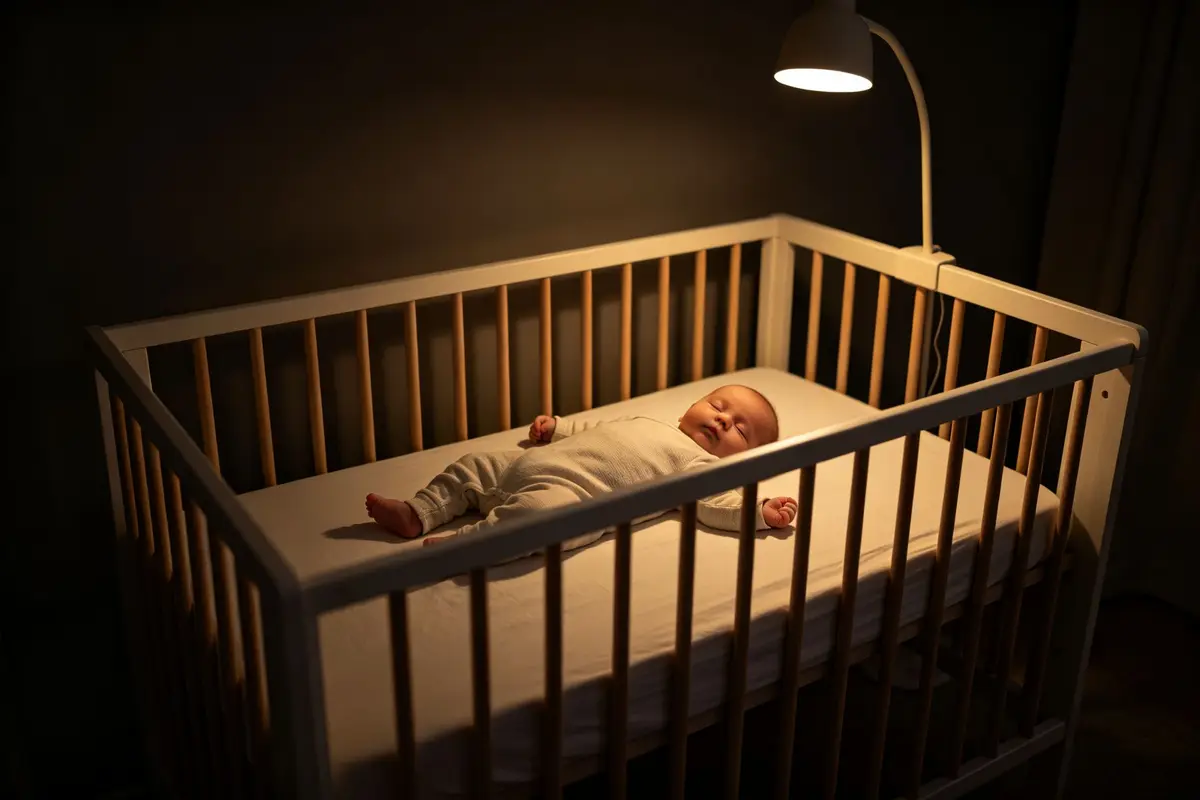
Summary: Safe sleep isn't just about following rules — it's about the peace of mind that comes from knowing you've done everything to protect your baby. As a mom who checked on all three of my babies a hundred times a night, here's what I've learned about SIDS prevention and creating a safe sleep environment.
What Is SIDS and Why Does It Happen?
Sudden Infant Death Syndrome (SIDS) is the unexplained death of a baby under one year old, usually during sleep. It's the leading cause of death in babies between one month and one year old in many countries. The exact cause isn't fully understood, but researchers believe it's related to a combination of factors: an underlying vulnerability in the baby's brain (especially the part that controls breathing and arousal), a critical developmental period, and an external stressor like sleeping on the stomach or exposure to smoke.
I remember the first time I read about SIDS — I was pregnant with my first, and I was terrified. But the more I learned, the more I realized there are concrete things I could do to reduce the risk. And that's what this guide is about: not fear, but action.
What Are the Safe Sleep Guidelines?
The AAP (American Academy of Pediatrics) updated its safe sleep guidelines, and the core recommendations are clear. Here's what I followed with all three of my babies:
1. Back to sleep, every time. Always place your baby on their back to sleep, for naps and at night. This is the single most important thing you can do. When my first baby started rolling over at 4 months, I panicked — but my pediatrician said once they can roll both ways on their own, you don't need to keep flipping them back. Just keep putting them down on their back initially.
2. Firm, flat sleep surface. Use a firm crib mattress with a fitted sheet. No soft mattresses, no waterbeds, no couches or armchairs. The mattress should be firm enough that if you press your hand into it, it doesn't conform to your hand shape. I tested all my crib mattresses this way before using them.
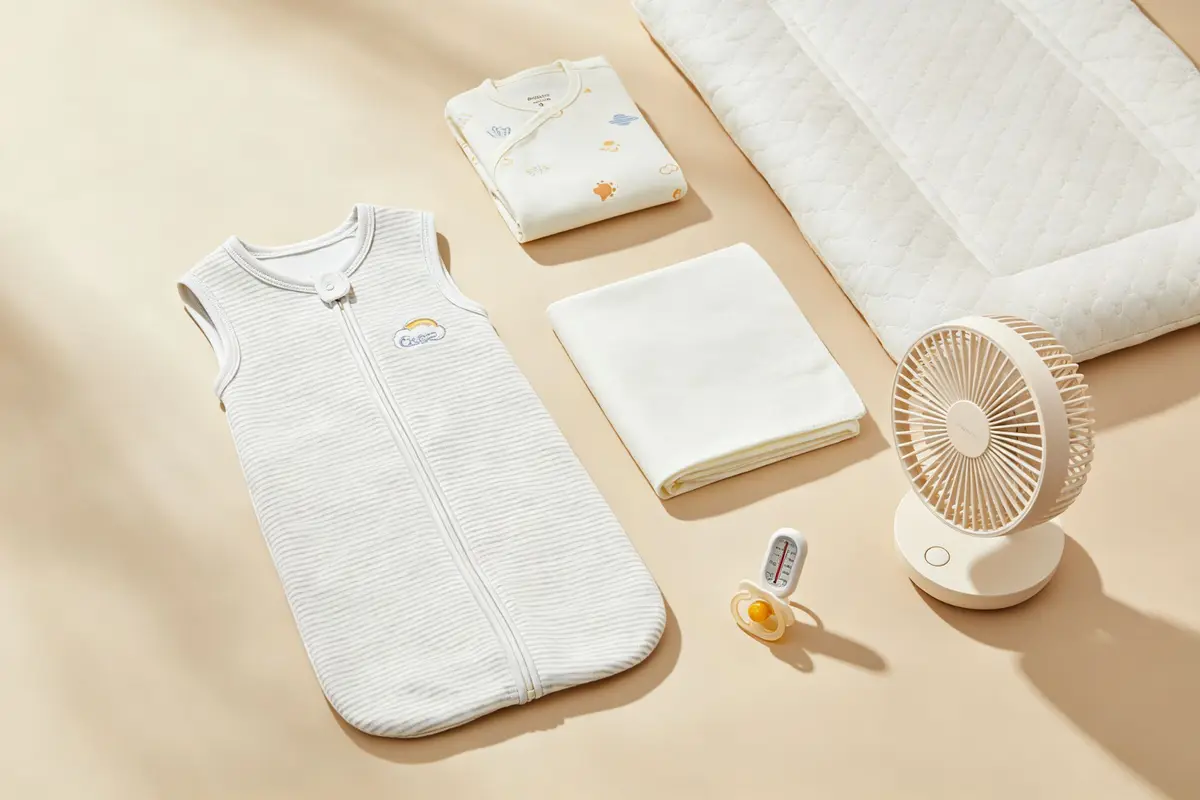
3. Empty crib. Nothing in the crib except your baby and a fitted sheet. No pillows, no blankets, no stuffed animals, no bumper pads, no sleep positioners. I know the nursery catalogs make those decorated cribs look adorable, but they're not safe. My babies' cribs were bare — just a fitted sheet and a wearable sleep sack for warmth.
4. Room sharing, not bed sharing. Keep your baby's crib or bassinet in your room for at least the first six months, ideally the first year. This reduces SIDS risk by up to 50%. But don't bring your baby into your bed to sleep — bed sharing increases the risk, especially if you're tired, have been drinking, or are a smoker. I kept all three babies in a bassinet next to my bed for the first six months, and it made nighttime feedings so much easier.
5. Avoid overheating. Dress your baby in no more than one layer more than an adult would wear to be comfortable. Use a wearable blanket or sleep sack instead of loose blankets. Keep the room temperature between 68-72°F (20-22°C). I used to worry my babies were cold, but my pediatrician told me to check the back of their neck — if it's warm and dry, they're fine. Sweaty hair or a hot neck means they're too warm.
6. Offer a pacifier at naps and bedtime. Using a pacifier for sleep reduces SIDS risk, even if it falls out after the baby falls asleep. I offered pacifiers to all three of mine at bedtime. If your baby doesn't want one, don't force it — and don't reinsert it once they're asleep if it falls out.
7. No smoking during pregnancy or after birth. Smoking during pregnancy doubles the risk of SIDS, and exposure to secondhand smoke after birth also increases risk. This includes e-cigarettes and vaping. None of these were an issue in our household, but I know families where this is a real struggle — if you smoke, quitting is the single best thing you can do for your baby's health.
What About Products That Claim to Reduce SIDS?
There are a lot of products on the market that claim to reduce SIDS risk — special mattresses, breathing monitors, wedges, positioners. Here's the truth: none of them are proven to reduce SIDS, and some can actually be dangerous.
Breathing monitors (like the Owlet or Snuza) can give parents peace of mind, but they're not medical devices and they don't prevent SIDS. I used one with my first baby because I was so anxious, and it did help me sleep better. But I also learned that false alarms are common, and they can cause unnecessary panic. With my second and third, I didn't use one — I relied on the safe sleep guidelines instead.
Sleep positioners and wedges are NOT recommended and can be dangerous. The FDA has warned against them because they can cause suffocation. Don't use them.
Special "breathable" mattresses are not proven to reduce SIDS. A firm, standard crib mattress with a fitted sheet is all you need.
What About Tummy Time?
Tummy time is important for development, but it should only happen when your baby is awake and supervised. I did tummy time with all three of my babies every day, starting from the first week. At first, they hated it (who wouldn't — it's hard work!), but gradually they built up the neck and shoulder strength they needed. Tummy time also helps prevent flat spots on the back of the head (positional plagiocephaly), which can happen from always sleeping on the back.
I did tummy time on the floor on a soft play mat, or on my chest when they were tiny. I always stayed right there with them, and I never left them alone on their tummy. When they started to get fussy or tired, I'd turn them over.
When Does SIDS Risk Decrease?
SIDS risk is highest between 2 and 4 months, and it decreases significantly after 6 months. By 12 months, the risk is very low. But safe sleep practices are still important beyond the first year — toddlers can still get tangled in loose bedding or pillows. I kept the crib empty for all three of mine until they transitioned to a toddler bed, around 2-3 years old.
FAQ
Q: My baby rolls onto their stomach at night. Should I flip them back?
A: Once your baby can roll from back to stomach AND stomach to back independently, you don't need to flip them back. Just continue to place them on their back when you put them down. If they can only roll one way (back to stomach but not back), you should flip them back until they can roll both ways.
Q: Is it safe to swaddle my baby?
A: Swaddling is safe for newborns, but you must stop once your baby shows signs of trying to roll (usually around 2-3 months). A swaddled baby on their stomach is at higher risk of SIDS. If you swaddle, make sure it's not too tight around the hips (to allow for healthy hip development) and that there's no loose fabric near the face. I used swaddles with all three of mine, but I switched to sleep sacks as soon as they started trying to roll.
Q: Can my baby sleep in a car seat or swing?
A: Car seats are for car travel, not for routine sleep. A baby sleeping in a car seat outside of the car can be at risk of positional asphyxiation (their head can fall forward and restrict breathing). The same goes for swings, bouncers, and rockers. If your baby falls asleep in the car seat, transfer them to a crib as soon as you get home. I made this mistake with my first — I'd let him nap in his swing because it was the only place he'd sleep. Once I learned the risks, I stopped and transitioned him to the crib.
Q: How do I know if my baby is too hot or too cold?
A: Check the back of their neck or their chest (not their hands or feet — babies often have cool hands and feet, which is normal). If their neck feels warm and dry, they're comfortable. If it's sweaty or hot, they're too warm — remove a layer. If it feels cold, add a layer. I used a room thermometer to keep the nursery at 68-72°F, and I dressed my babies in a sleep sack appropriate for the temperature.
Final Thoughts
Safe sleep isn't about fear — it's about doing everything you can to protect your baby, then letting go and trusting that you've done your best. The guidelines are simple: back to sleep, empty crib, firm mattress, room sharing, no overheating, pacifier, no smoke. Follow these, and you've dramatically reduced the risk. Check on your baby as much as you need to (I still do, even with my 5-year-old), but try to sleep too. You can't take care of a baby if you're exhausted. You've got this, mama.