
2026-09-22 · Moni Happy Editorial
Toddler Dental Care: What I Learned After Early Cavities
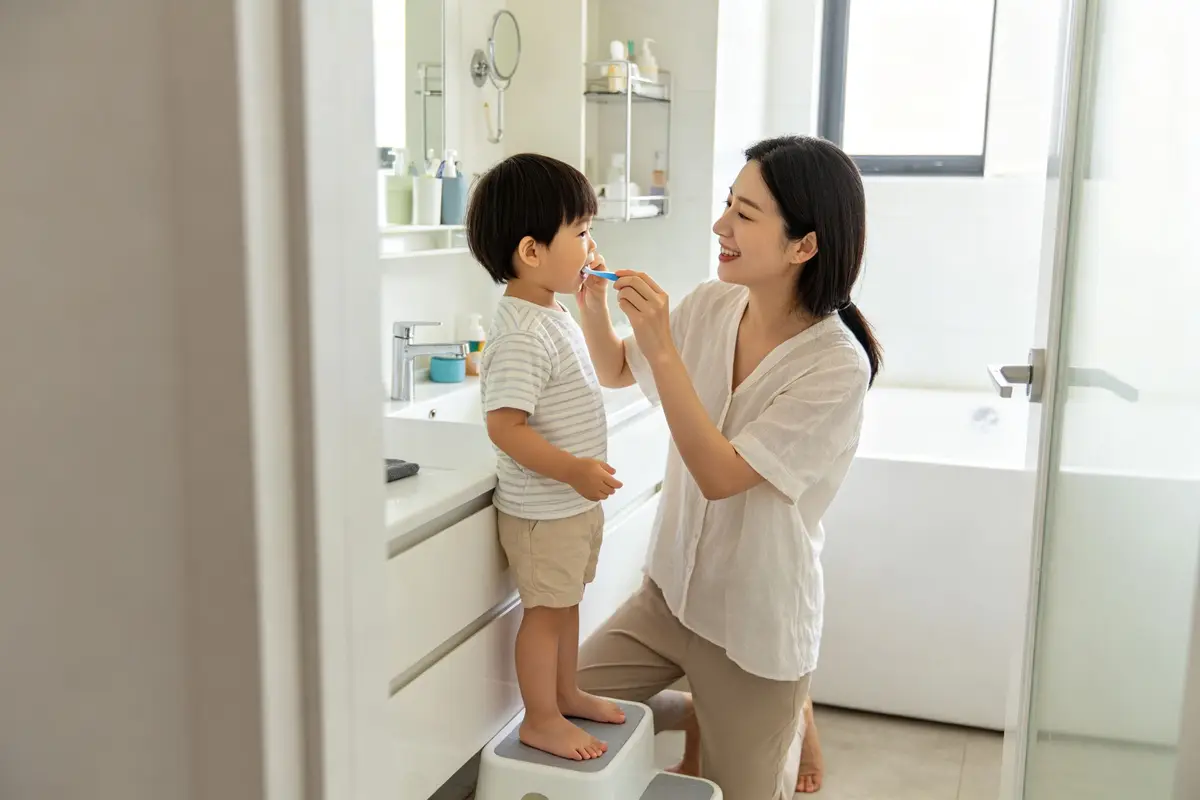
I thought dental care started when adult teeth came in. Wrong. By the time my toddler was 18 months, the dentist noticed early cavities on her back molars because we weren't brushing effectively. Pediatric dental care starts from the very first tooth, and it matters more than I realized.
When should I start brushing my toddler's teeth?
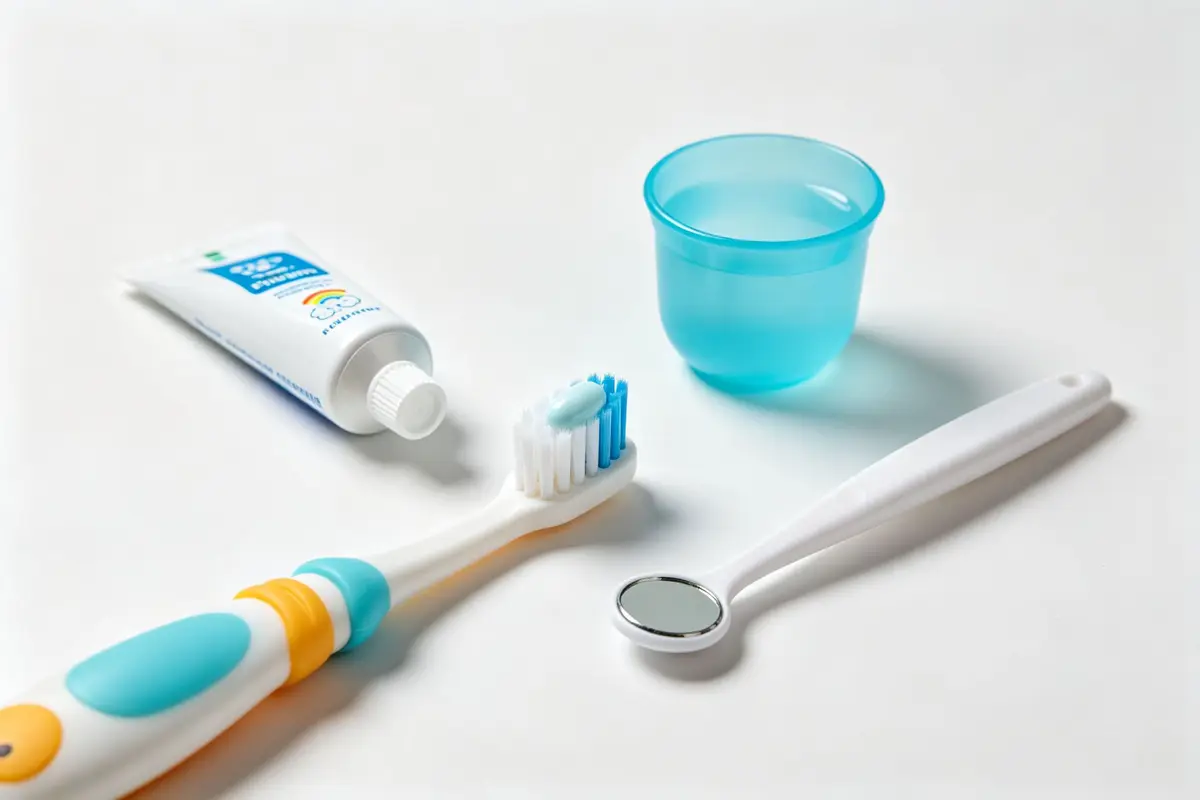
Start with the very first tooth, which usually arrives around 6 months. Use a soft infant toothbrush with a tiny smear of fluoride toothpaste (rice-grain size for under 3, pea-size for 3-6). Brush twice a day — morning and before bed. Don't let your toddler brush alone; you need to do the back teeth where they can't reach.
What is the right way to brush a toddler's teeth?
Position your toddler on your lap or standing on a step stool facing a mirror. Use small circular motions on all surfaces — outside, inside, and chewing surfaces. Aim for 2 minutes total. Sing a song or use a timer to make it bearable. Floss between teeth once all primary teeth are in, around 2.5-3 years.
Why does my toddler hate brushing?
Resistance is normal. Try letting them hold the toothbrush first, then you take over. Use a timer song, let them pick the toothbrush character, and brush together — toddlers imitate. Avoid battles: a calm two-minute routine beats a screaming ten-minute struggle. Reward charts work. Don't give up because they resist.
What about juice and sugary snacks?
Tooth decay happens when sugar sits on teeth. Juice, milk at bedtime, and frequent snacks all feed bacteria. Water is best between meals. If you give juice, dilute it and serve with meals, not throughout the day. Never put a toddler to bed with a bottle or sippy cup of milk or juice. Wipe gums and brush after bedtime milk. Use soft tissues and wipes for quick cleanups but they don't replace brushing.
FAQ
When should the first dentist visit be?
The American Academy of Pediatric Dentistry recommends first visit by age 1, or within 6 months of the first tooth. This establishes a dental home and catches early decay early. Many pediatric dentists see babies as young as 6 months.
Is fluoride safe for toddlers?
Yes, in the right amount. Under 3: a rice-grain smear. 3-6: a pea-size amount. Fluoride prevents cavities. Don't rinse after brushing — let the fluoride sit on teeth. Ask your dentist about fluoride varnish.
What if my toddler has cavities on baby teeth?
Baby teeth matter. Untreated cavities cause pain, infection, and can damage developing permanent teeth. Pediatric dentists can fill cavities, apply crowns, or do silver diamine fluoride. Don't wait — early treatment is easier and less traumatic.
Should I stop using a pacifier or thumb sucking?
Pacifier use is fine up to age 2. After that, prolonged use can affect teeth alignment and palate shape. Gentle weaning after 2 is recommended. Thumb sucking after 4-5 (permanent teeth coming in) may need intervention.
Summary
Start brushing from the first tooth with fluoride toothpaste, do it for them (not just with them), limit sugary snacks and bedtime bottles, and visit the dentist by age 1. Toddler dental care is a daily habit that protects both baby teeth and the permanent teeth waiting underneath.
Frequently Asked Questions
When should the first dentist visit be?
By age 1, or within 6 months of the first tooth. This establishes a dental home and catches early decay. Many pediatric dentists see babies as young as 6 months.
Is fluoride safe for toddlers?
Yes. Under 3: rice-grain smear. 3-6: pea-size amount. Don't rinse after brushing. Ask your dentist about fluoride varnish.
What if my toddler has cavities on baby teeth?
Baby teeth matter. Untreated cavities cause pain and can damage developing permanent teeth. Early treatment with fillings, crowns, or silver diamine fluoride is easier.
Should I stop using a pacifier or thumb sucking?
Pacifier use is fine up to age 2. Prolonged use after 2 can affect teeth alignment. Thumb sucking after 4-5 may need intervention.