
2026-09-22 · Moni Happy Editorial
Toddler Friendship: What Parallel Play Taught Me
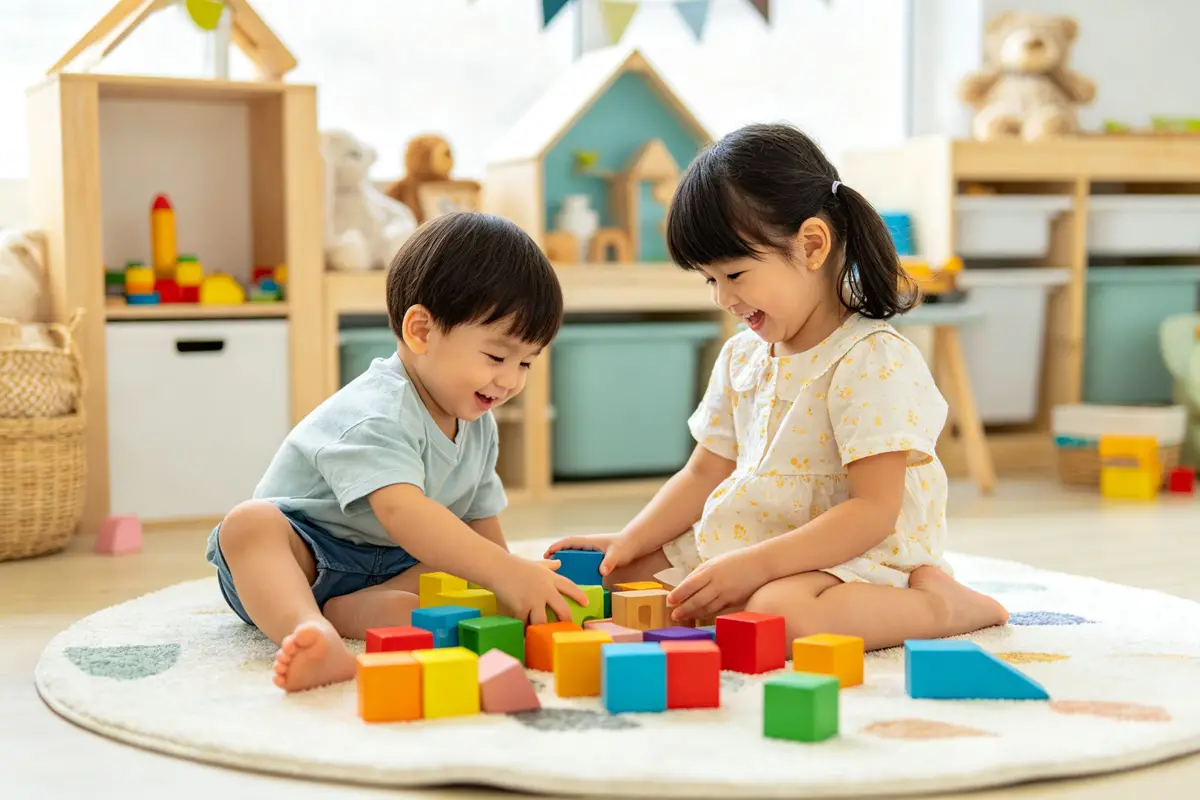
Watching my toddler play next to — but not really with — another child for months, I wondered if she'd ever actually make a friend. Toddler social development follows its own timeline. Parallel play is normal. Real friendship, as we think of it, takes years to emerge. Here's what I learned.
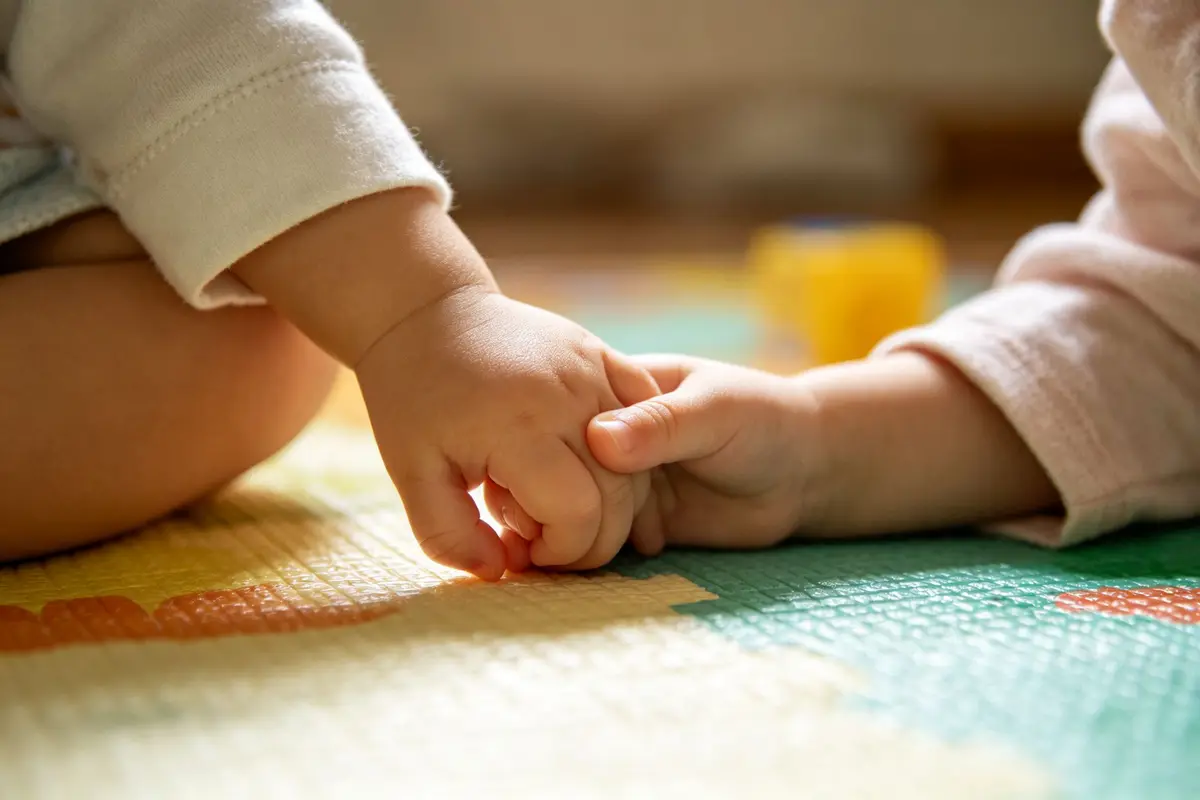
What is parallel play and why is it normal?
From about 18 months to 3 years, toddlers engage in parallel play — playing next to, but not with, other children. They may copy each other and glance over, but they're not truly cooperating or sharing. This is normal and not selfish. Toddlers are still learning about themselves, their own boundaries, and how the world works. Social skills build on this foundation.
When do toddlers start playing together?
Associative play (briefly interacting, sharing toys) starts around 2.5-3 years. True cooperative play — building together, taking turns, having shared goals — emerges around 3.5-4 years. Don't force your toddler to "play together" before they're ready. Just regular exposure to other kids, even in parallel, helps them learn.
How do I help my toddler make friends?
Arrange regular low-pressure playdates with one or two children of similar age. Keep them short (45-60 minutes) — toddlers tire easily. Model sharing and turn-taking yourself. Don't force hugs or apologies. If there's a toy fight, stay calm, help them express feelings, and offer choices. Read books about friendship. Use soft toys as social bridges. Praise kind behavior specifically.
What if my toddler prefers adults over kids?
Some toddlers are naturally more adult-oriented, especially if they spend most of the day with caregivers. That's okay. Continue gentle exposure to peers. Some children take longer to warm up. Don't label them as "shy" — use "slow to warm up" and give them time. As long as they're not distressed around other kids, there's no need to worry.
FAQ
Is parallel play normal for a 2-year-old?
Absolutely. Parallel play — playing beside but not with peers — is the typical social stage for 18 months to 3 years. It's not selfish or anti-social. It's how toddlers learn about themselves and others.
When should my toddler start sharing?
Understanding of ownership ("mine") develops around 18-24 months. True sharing is a later skill, around 3-4 years. Before then, gently guide but don't force. You can say "your turn, then his turn" with a timer, but expect resistance.
What if my toddler hits or bites other kids?
Aggression in toddlers is usually frustration-based, not meanness. Stay calm, immediately separate them, name the feeling ("you were mad"), and offer an alternative. Don't punish harshly. If it persists, talk to your pediatrician — it can be a language or emotional regulation issue.
Do I need to enroll my toddler in social classes?
Not necessarily. Regular playgroup, park visits, or one-on-one playdates provide enough social exposure. What matters is low-pressure, repeated, warm interactions with same-age peers. Classes can be fun but aren't essential for social development.
Summary
Toddler friendship develops gradually: parallel play first, then associative play, then true cooperative play by age 4. Your job is to provide regular low-pressure peer exposure, model kindness, and not rush the timeline. Some kids are slow to warm up — that's a temperament, not a problem.
Frequently Asked Questions
Is parallel play normal for a 2-year-old?
Absolutely. Parallel play is the typical social stage for 18 months to 3 years. It's not selfish or anti-social. It's how toddlers learn about themselves and others.
When should my toddler start sharing?
Understanding of ownership develops around 18-24 months. True sharing is a later skill around 3-4 years. Before then, gently guide but don't force.
What if my toddler hits or bites other kids?
Aggression in toddlers is usually frustration-based. Stay calm, separate them, name the feeling, and offer an alternative. If it persists, talk to your pediatrician.
Do I need to enroll my toddler in social classes?
Not necessarily. Regular playgroup, park visits, or one-on-one playdates provide enough social exposure. Low-pressure, repeated warm interactions matter most.