
2026-09-09 · Sarah Mitchell
Traveling with Baby: A Mom's Practical Packing & Survival Guide
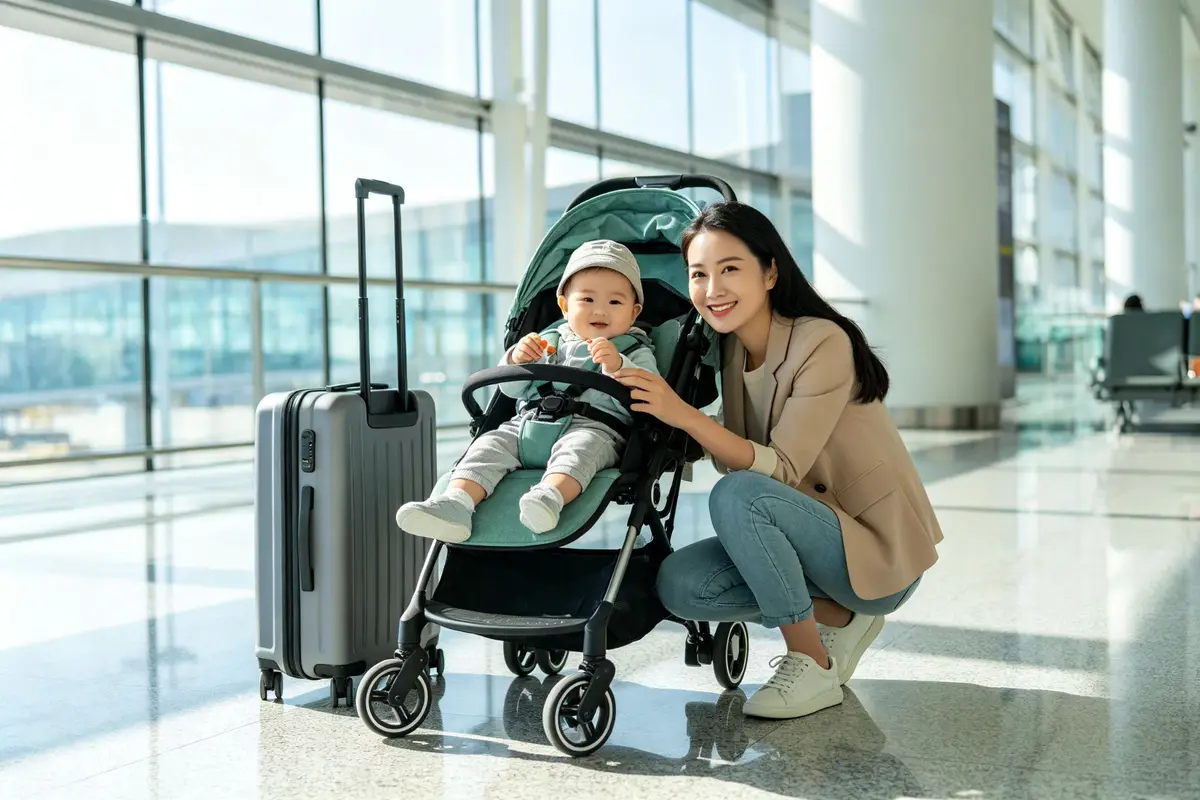
When I told my mom I was taking my 3-month-old on a 4-hour flight, she looked at me like I'd lost my mind. "Why would you do that to yourself?" she asked. The truth is, I was nervous too — I'd heard the horror stories about babies screaming on planes, about blowouts in airport restrooms, about forgotten pacifiers and missed naps. But you know what? That first trip went better than I expected, and we've since traveled with our babies across multiple flights, road trips, and even an international move. The secret? Preparation, flexibility, and letting go of the idea that travel with a baby will be anything like travel without one. Here's what I've learned from the trenches.
Before you go: planning and mindset
The first and most important thing I learned is that travel with a baby is different — and that's okay. Your itinerary will be slower, your packing list will be longer, and you'll need to build in extra time for everything (security, boarding, meals, diaper changes). But traveling with a baby is also wonderful — babies are portable, they're often charmed by new environments, and many people will go out of their way to help a traveling parent. Before you book, consider your baby's age and stage: newborns sleep a lot but need frequent feeds; 3-6 month olds are often the easiest travel companions (portable, not yet mobile, still nap a lot); 6-12 month olds are curious and mobile, which means more baby-proofing at your destination; and toddlers have strong opinions but also enjoy new experiences. Choose a destination and pace that matches your baby's stage, and don't overschedule — a relaxed trip with one activity a day is far more enjoyable than a packed itinerary that leaves everyone exhausted.
Before you leave, do a little research: check your airline's policies for baby baggage, stroller and car seat gate-checking, and liquid allowances for formula and breast milk. If you're staying at a hotel, ask about cribs, baby bathtubs, and whether they can provide a mini-fridge for storing breast milk or formula. If you're renting a car, reserve a car seat in advance (or bring your own — many parents find it easier and safer to bring their own, though it's one more thing to carry). And if you're traveling internationally, check whether your baby needs any vaccinations or medications for the destination, and make sure you have copies of your baby's birth certificate and passport (if needed). I also always saved our hotel address and emergency numbers in my phone and printed a copy just in case.
Packing: what you actually need (and what you don't)
My packing strategy is simple: pack everything you'd need for the first 24-48 hours in your carry-on (in case checked luggage is delayed), and pack the rest in checked luggage or buy it at your destination. In my carry-on, I always have: enough diapers for the travel day plus 1-2 extra days (you never know when a flight will be delayed), travel-sized baby wipes, diaper cream, a portable changing mat, at least 2 changes of clothes for the baby (blowouts happen at 35,000 feet too), a change of clothes for me (yes, really — I've been spit up on more times than I can count), feeding supplies, any medications, a favorite toy or lovey, a swaddle blanket, and snacks for me (traveling makes you hungry, especially if you're breastfeeding). I also bring a baby carrier — it's invaluable for navigating security, keeping the baby close on the plane, and having hands-free when you need them.
In checked luggage, I pack the bulk of diapers and wipes (though I often buy more at my destination to save space), larger quantities of formula or baby food, a travel bathtub or bath support (some hotels have cribs but no baby tubs), a portable white noise machine (a lifesaver for unfamiliar sleep environments), a baby monitor if we're staying in a larger space, and seasonal clothing. What I don't pack: a full-size high chair (most restaurants and hotels have them, or I bring a portable high chair that clips to a table), a full-size stroller (I use a lightweight travel stroller or a baby carrier instead), and every toy my baby owns (2-3 favorite toys and a few new surprises for the plane are plenty). Remember, you can buy almost anything at your destination — diapers, wipes, formula, baby food, clothing — so don't overpack. I always kept a small soft towel and a pack of gentle tissues in my diaper bag for unexpected messes, and they came in handy more times than I can count.
In transit: airports, planes, and cars
Air travel with a baby is all about timing and preparation. I always tried to book flights that aligned with my baby's nap schedule — a flight during naptime meant a sleeping baby and a peaceful flight. If that wasn't possible, I planned for awake time with toys, snacks, and walks up and down the aisle (most flight attendants are happy to let you hold your baby and walk if the seatbelt sign is off). For ear pressure during takeoff and landing, a feed, pacifier, or sippy cup works wonders — the sucking and swallowing helps equalize pressure in the Eustachian tubes. If the baby is asleep, I didn't wake them unless they showed signs of discomfort. I also brought a small blanket or scarf to use as a nursing cover, and a small pillow for my own comfort (those plane seats are brutal, especially when holding a baby).
Security is usually easier than you'd expect — most airports have family lanes, and baby carriers, strollers, and baby food/formula/breast milk are exempt from some of the standard rules (you can bring more than 3 ounces of liquid for baby, but declare it at security). I always wore my baby in the carrier through security, which freed up my hands for the bins and the diaper bag, and I gate-checked our stroller right at the gate so I had it all the way to boarding. For road trips, the key is frequent stops — plan to stop every 2-3 hours for feeds, diaper changes, and a chance for the baby (and you) to stretch. I kept a cooler with snacks and drinks within reach, a bag of toys and books for the car seat, and a portable changing mat for rest stops. Never leave your baby unattended in the car, even for a minute, and never use a car seat as a sleep space outside the car (for safety, babies should sleep in a crib or bassinet, not in a car seat, for extended periods).
At your destination: sleep, routines, and going with the flow
The biggest challenge of traveling with a baby is often sleep — unfamiliar environments, different cribs, noisy hotel rooms, and disrupted routines can all lead to poor sleep for baby (and therefore for you). What worked for us was bringing familiar sleep cues: a portable white noise machine, a favorite swaddle or sleep sack, a lovey, and a consistent bedtime routine (bath, book, feed, bed) that we followed even when traveling. I also tried to keep naps as consistent as possible — either in the hotel crib, in the stroller, or in the baby carrier — and I didn't overschedule our days so the baby had time to rest. If the baby's sleep was off, I didn't stress about it — temporary sleep disruption from travel is normal, and babies usually bounce back quickly once they're home.
Meals and routines also take some adjustment. For breastfed babies, it's easy — feed wherever and whenever, though I always scoped out nursing-friendly spots in advance (many airports and malls have nursing lounges or family restrooms). For formula-fed babies, I brought a portable formula dispenser and a thermos of hot water, and I asked the hotel for a mini-fridge and microwave if available. For babies on solids, I brought portable baby food pouches and snacks, and I researched family-friendly restaurants in advance (many are happy to warm baby food or provide a high chair). And for everything else — diaper changes, baths, playtime — I made do with what was available, kept a sense of humor, and remembered that the goal was to make memories, not to have a perfect trip. Some of our best travel memories came from the unplanned moments — a spontaneous walk through a local market, a stranger who helped us with the stroller on a train, a baby who fell asleep in the carrier while we explored a new city. Those are the moments that make it all worth it.
FAQ
What is the best age to travel with a baby?
There's no single best age — it depends on your baby's temperament, your travel style, and your destination. Many parents find babies between 2 and 6 months are relatively easy travel companions because they're portable, sleep a lot, and aren't yet crawling. Newborns can travel but some pediatricians recommend waiting until after the first vaccinations (around 2 months). Babies 6-12 months are more mobile and curious, while toddlers have their own challenges but enjoy new experiences. The key is choosing a destination and pace that matches your baby's stage and being flexible.
How do I handle feeding and diaper changes while traveling?
For breastfeeding moms, a nursing cover and water bottle plus snacks for yourself are essential. For formula-fed babies, pre-measure formula into portable containers, bring a thermos of hot water, and pack enough bottles. For diaper changes, a portable changing mat works anywhere since not all restrooms have changing tables. Pack at least one diaper per hour of travel plus extras, travel-sized wipes, diaper cream, and plastic bags for dirty diapers. Always keep a small soft towel in your diaper bag for unexpected messes.
How can I help my baby's ears during takeoff and landing?
The most effective way to equalize ear pressure is through sucking and swallowing. Offer a feed (breast or bottle), pacifier, or sippy cup during takeoff and landing. If your baby is asleep, you don't necessarily need to wake them — many sleep through pressure changes. Saline nasal spray before the flight can help keep nasal passages clear, especially with a cold. If your baby has an ear infection or bad cold, check with your pediatrician before flying. Baby noise-canceling headphones can help with overall plane noise.
What should I pack in carry-on vs. checked luggage?
Pack everything you'd need for 24-48 hours in your carry-on in case checked luggage is delayed: diapers, wipes, diaper cream, changing mat, 2+ changes of clothes for baby, a change for you, feeding supplies, medications, a favorite toy, blanket, and baby carrier. You can gate-check a stroller for free on most airlines. In checked luggage: bulk diapers and wipes (or buy at destination), larger formula quantities, travel bathtub, white noise machine, baby monitor, larger toys, and seasonal clothing. Always check your airline's baby baggage and liquid policies for formula and breast milk.
Wrapping up
Traveling with a baby is not easy — there will be messy diaper changes in tiny airplane lavatories, there will be nights when the baby won't sleep in a strange crib, there will be moments when you question why you thought this was a good idea. But there will also be moments of pure joy — your baby's face lighting up at a new sight, the kindness of strangers who help you with a stroller, the adventure of exploring a new place together as a family. The key is to plan well, pack smart, go with the flow, and lower your expectations. You won't see and do everything you would on a trip without a baby, but you'll have experiences you never would have had otherwise. And as your baby grows, travel will only get easier — and the memories you make now will last a lifetime. So go ahead, book that trip, pack that diaper bag, and embrace the adventure. You've got this.
Frequently Asked Questions
What is the best age to travel with a baby?
There's no single 'best' age — it depends on your baby's temperament, your travel style, and your destination. Many parents find that babies between 2 and 6 months can be relatively easy travel companions because they're portable, sleep a lot, and aren't yet crawling or putting everything in their mouths. Newborns (under 2 months) can travel but require more frequent feeds and diaper changes, and some pediatricians recommend waiting until after the first round of vaccinations (around 2 months) before flying, especially on long-haul flights. Babies 6-12 months become more mobile and curious, which can make travel more challenging but also more fun as they engage with new environments. Toddlers (1-3 years) have their own challenges — they need more space, may resist sitting still, and have strong opinions — but they also enjoy new experiences more. The key is to choose a destination and travel style that matches your baby's age and stage, and to be flexible and patient.
How do I handle feeding and diaper changes while traveling?
Feeding and diaper changes are the two most frequent tasks when traveling with a baby, so planning ahead makes everything easier. For breastfeeding moms, a nursing cover or scarf can give you privacy in airports, planes, and restaurants, and a water bottle and snacks for yourself are essential (breastfeeding makes you hungry!). For formula-fed babies, pre-measure formula into portable formula containers, bring a thermos of hot water or use a travel bottle warmer, and pack enough bottles for the day (or bring a portable sterilizer for longer trips). For diaper changes, many airports and planes have changing tables in restrooms (though not always — some planes only have them in the lavatory, and some airports' men's rooms don't have them), so a portable changing mat that you can use on the floor or a bench is a lifesaver. Pack diapers in your carry-on (at least one for every hour of travel plus extras), and bring <a href='https://moni-happy.com/wipes/'>travel-sized baby wipes</a>, diaper cream, and a few plastic bags for dirty diapers. I always kept a <a href='https://moni-happy.com/towel/'>small soft towel</a> in my diaper bag for unexpected messes.
How can I help my baby's ears during takeoff and landing on a plane?
The change in cabin pressure during takeoff and landing can cause ear pain for babies (and adults!), and the most effective way to equalize the pressure is through swallowing or sucking. For babies, this means offering a feed (breast or bottle), a pacifier, or even a sippy cup (for older babies) during takeoff and landing. The sucking and swallowing motion helps open the Eustachian tubes and equalize pressure. If your baby is asleep during takeoff or landing, you don't necessarily need to wake them — many babies sleep through pressure changes without issue, but if they wake crying, offer a feed or pacifier. Some parents use saline nasal spray before the flight to keep nasal passages clear, especially if the baby has a cold. If your baby has an ear infection or a bad cold, check with your pediatrician before flying, as the pressure change can be more painful or even risky with active ear issues. Earplugs or noise-canceling headphones designed for babies can also help with the overall noise level on planes, though they don't specifically address pressure changes.
What should I pack in my carry-on vs. checked luggage when traveling with a baby?
As a general rule, pack everything you'd need for the first 24-48 hours in your carry-on, in case your checked luggage is delayed or lost. In your carry-on: enough diapers for the travel day plus 1-2 extra days, wipes, diaper cream, a portable changing mat, at least 2 changes of clothes for baby (blowouts happen!), a change of clothes for you (yes, really), feeding supplies (formula, bottles, nursing cover, snacks for you), any medications your baby needs, a favorite toy or lovey, a blanket or swaddle, and for longer flights, a travel pillow or baby carrier. You can also bring a collapsible stroller and baby carrier through the airport — most airlines let you gate-check a stroller for free, and a baby carrier is invaluable for navigating security and keeping your baby close on the plane. In checked luggage: the bulk of your diapers and wipes (you can always buy more at your destination), larger quantities of formula, baby food, a travel bathtub or bath support, a white noise machine or portable sound machine, baby monitor (if needed), larger toys, and seasonal clothing. Always check your airline's policies for baby baggage allowance, stroller and car seat policies, and liquid allowances for formula and breast milk (most airlines allow you to bring more than the standard 3-ounce limit for baby food, formula, and breast milk, but declare them at security).